
When you’re super-focused on health and fitness, sleep is the unsung hero. Yet, many take it for granted. According to pulmonologist Dr. Mittal, chronic sleep deficiency can damage your body in many ways. If you are the one who can’t sleep at night and sacrifice it for other life priorities, then this article is a must for you. Here, you will learn how poor sleep impacts core health pillars.

Table of Contents
1. Skin: The Body’s Daily Rejuvenation Zone
Quality sleep boosts cell repair function and collagen renewal, which keeps your complexion radiant. But the moment you shift to shortchange, it will welcome premature aging.
Be prepared for a flat complexion, fine lines, dark circles, and compromised barrier function. All these tend to occur because of higher cortisol and lower collagen production.
People wanting proper health and fitness may simply focus on workouts and diet, but underestimate the value of quality sleep. Make sure to focus on bedtime habits to improve your beauty and well-being.
2. Heart: A Strong Cardiovascular System Relys on Rest
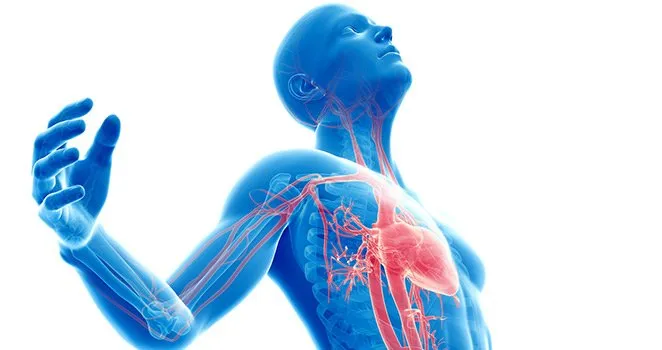
Your internal rest cycle starts as soon as you go to sleep. Your blood pressure will go down, heart rate levels will slow off, and stress hormones will relax. However, these systems will get hyperactive due to inadequate sleep. As a result, the risk of cardiovascular diseases increases, such as hypertension, arrhythmias, stroke, heart attack, and abnormal rhythms.
3. Gut: Poor Sleep Upsets Your Digestive Health and Fitness
Sleep and gut health, and fitness are closely associated with each other. Following a poor sleep pattern can disrupt it, leading to bloating, discomfort, and inflammation. Because of these factors, your body will start craving processed and sugary foods. Thus, sleep is a non-negotiable factor for keeping your gut health and fitness optimal.
4. Brain: YouTube Isn’t the Only Thing That Needs a Refresh
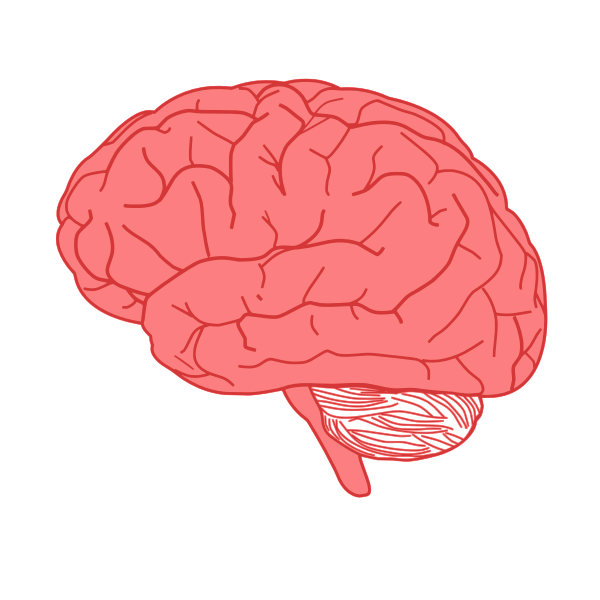
During sleep, your brain is working to clear neurotoxic wastes like beta-amyloid. In addition, it consolidates memory while improving your focus.
Sleep also plays a significant role in decision-making and mood regulation. If you are dealing with severe long-term sleep deprivation, the prefrontal cortex and thalamus will suffer a lot. Both are key areas for attention, emotional regulation, and cognitive processing.
5. Immunity: Sleep Builds Resistance, Poor Sleep Breaks It Down
Your immune system creates essential cytokines in deep sleep to combat infection and regulate inflammation. Without adequate rest, your defenses come down, subjecting you to colds, slow recovery, and chronic inflammation
Lack of sleep has been associated with compromised vaccine response, reduced lymphocytes, and increased inflammatory markers such as CRP, IL‑6, and TNF-α. Those subject to relentless physical stress—such as fitness buffs—gain the most from regular sleep.
6. Hormones, Metabolism & Mood: The Hidden Casualties
Even though it is not directly stated in the HT article, the evidence is conclusive: lack of sleep disturbs hunger hormones, raises insulin resistance, raises cortisol, and increases the danger of obesity, diabetes, depression, and anxiety.
Cortisol surges and disrupted leptin/ghrelin ratios heighten appetites and fat deposition. Stress hormones also hurt recovery, muscle building, and mental health. Sound sleep harmonizes metabolism and mood control—a major component of any fitness and well-being ecosystem.
Practical Tips to Enhance Sleep
Improve Sleep Hygiene
Strive for 7–9 hours per night, as advised for adults. Unwind with screen-free time, soft lights, gentle stretches, or a warm bath an hour or so before bedtime
Turn Stress Into Rest
Engage in breathing exercises or mindfulness to minimize cortisol. Stick to a regular bedtime—yes, even on weekends.
Sync Lifestyle Habits
Steer clear of late-night caffeine and heavy meals. Get active in the day—but wrap up intense exercise a few hours before bed to naturally wind down.
Balance Diet & Sleep
Restrict alcohol near bedtime—it interferes with sleep structure and hormonal balance. Emphasize well-balanced meals that maintain stable blood sugar.
Look to Medical Reasons
If insomnia or extreme daytime lethargy lasts, discuss potential sleep disorders such as sleep apnea or circadian rhythm disorders with a healthcare professional.
Related informational articles
- Yoga for Beginners: Best Journey into the Ancient Practice and the Transformational Benefits of Yoga

- Harmful Health Effects of Cigarette Smoking: Risks, Diseases, and Long-Term Impacts
- What is 3 Parenting Styles and Dimensions Questionnaire (PSDQ)
- Most Cute & Unique Baby Names of the Year: International, Religious & Trendy Picks




Why It Matters: Fitness Begins With Sleep
Ignoring sleep isn’t a badge of productivity! The more you ignore, the higher the chances of suffering from various mental health conditions. While you try to build strength and lose some weight, fixing poor sleep patterns will take your mental performance further in life.
End Summary
A proper sleep is the key to a happy and fulfilled life. If you’re committed to health and fitness, prioritize sleep and treat your body with respect. Gradually, you will see improvement in the health patterns and feel a significant boost in productivity.
“If you found this article helpful, share it with your circle and follow PingShopping on social media”
People Also Ask
Why is sleep important for overall health?
Sleep is essential for physical repair, brain function, hormonal balance, immune strength, and metabolic health. Without adequate restorative sleep, your body’s ability to function optimally in these areas declines.
How does poor sleep affect the immune system?
Poor sleep disrupts immune regulation and lowers resistance to infections. The deeper stages of sleep are when the immune system recharges and builds defense against pathogens. Without enough sleep, immunity weakens.
Can lack of sleep impact mental performance and mood?
Yes — insufficient sleep impairs attention, memory, judgment, emotional regulation, and decision-making. Chronic sleep deficiency also increases the risk of anxiety, depression, and cognitive decline.
What are the effects of poor sleep on weight and metabolism?
Sleep helps regulate hormones like leptin and ghrelin that control appetite and metabolism. Sleep loss disrupts these hormones, increasing appetite and risk of weight gain, insulin resistance, and type 2 diabetes over time.
How much sleep should adults get to avoid these health risks?
Most health experts recommend 7–9 hours of quality sleep per night for adults to support immune function, metabolic health, mental performance, and overall well-being.