
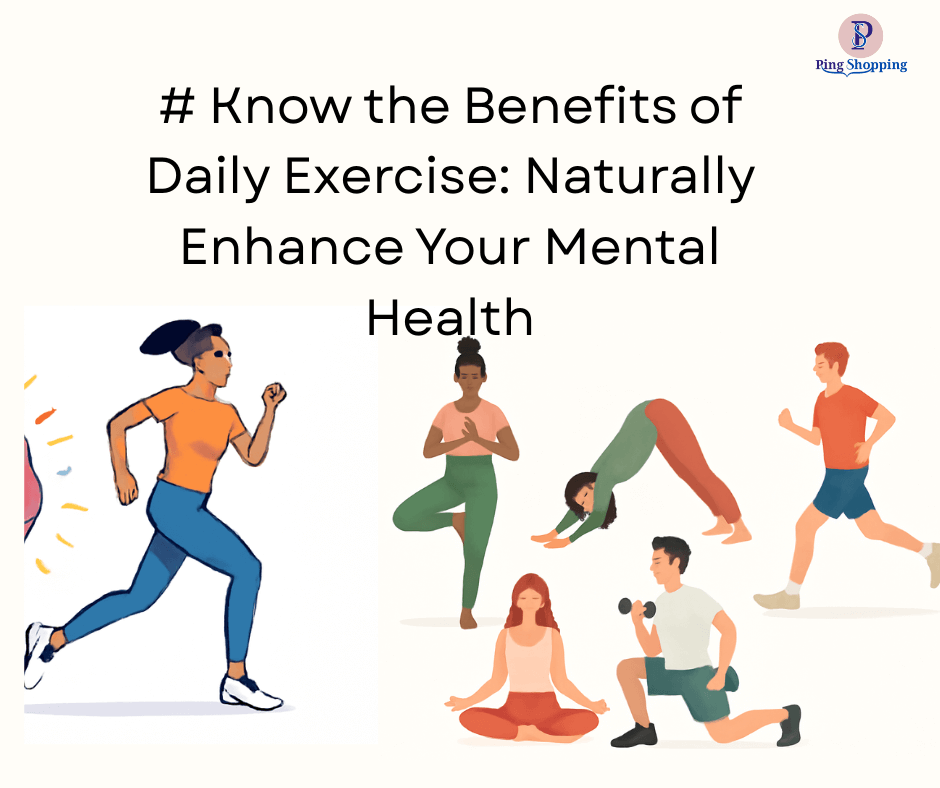
The Mind-Body Connection: How Exercise Transforms Mental Health for the future
The relationship between physical activity and mental well-being has never been more scientifically validated or socially relevant. While we often focus on exercise for physical fitness, emerging research reveals that physical activity might be one of our most powerful tools for mental health management, offering benefits that rival traditional treatments.
Table of Contents
| Section |
| 1. The Science Behind Exercise & Mental Health |
| 2. Exercise vs. Traditional Treatments |
| 3. Mental Health Conditions & Exercise |
| 4. Types of Exercise for Mental Health |
| 5. Beyond Individual Benefits: The Social Connection |
| 6. Your Mental Health Exercise Plan |
| 7. The Stress-Busting Power of Movement |
| 8. Building Mental resilience |
| 9. Conclusion |

- What is the science behind exercise & mental health?
Neurochemical Transformation:
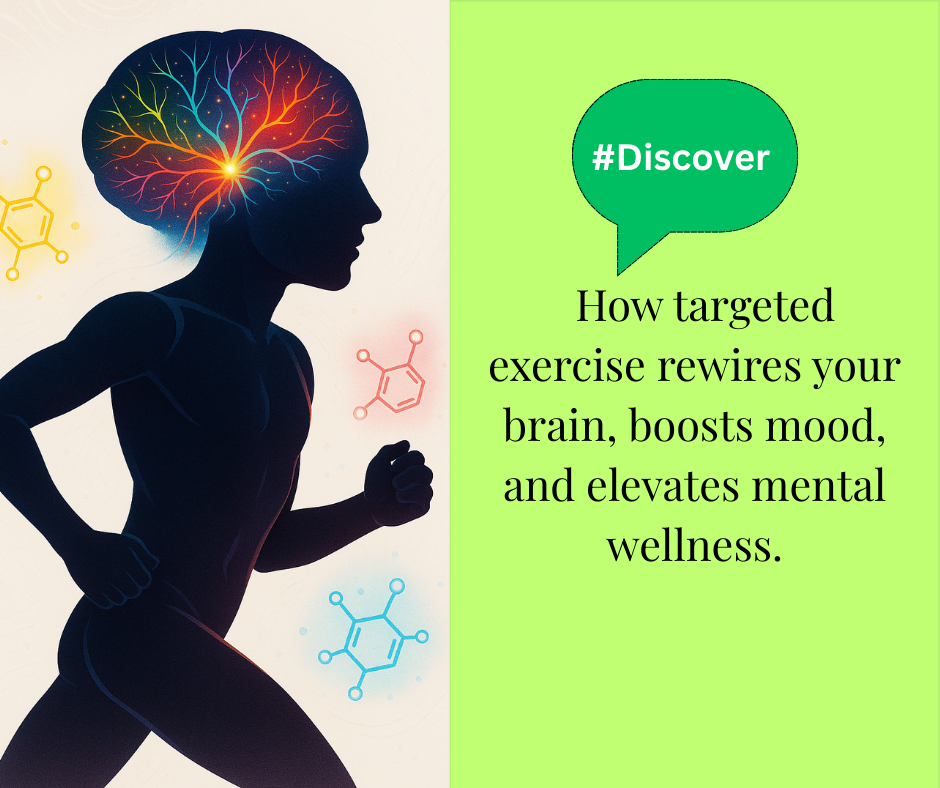
When you are engaged in physical activity, your brain undergoes remarkable changes. Exercise triggers the release of endorphins—natural mood elevators that create feelings of euphoria and well-being. Simultaneously, your body increases production of serotonin and dopamine, neurotransmitters crucial for regulating mood, focus, and emotional stability.
Perhaps most importantly, exercise reduces cortisol levels—the stress hormone that, when chronically elevated, contributes to anxiety, depression, and cognitive decline. This neurochemical rebalancing creates an optimal environment for mental wellness.
Groundbreaking Research Findings:
A comprehensive analysis of nearly 100 meta-reviews revealed that physical activity is 1.5 times more effective than medication or psychotherapy for treating mild-to-moderate depression, anxiety, and psychological stress. The study found that exercise interventions produced a 42-60% reduction in mental health symptoms, compared to just 22-37% for traditional treatments. On the other hand, sometimes we see that after completing a surgery or taking a medication, we don’t get any results, or it shows other syndromes.
Even more remarkable: just 15 minutes of running daily or one hour of walking reduces major depression risk by 26%. For anxiety specifically, even five minutes of aerobic activity can begin stimulating anti-anxiety effects.
Most Unique Advantages of Exercise:
Unlike traditional treatments, exercise offers:
- No side effects (when done appropriately)
- Additional physical health benefits
- Lower cost and greater accessibility
- Longer-lasting effects that may outlast medication benefits
- Immediate and long-term benefits
Depression Management :
Studies show exercise works as well as antidepressant medication for some individuals. Increases BDNF (brain-derived neurotrophic factor), promotes neuroplasticity and new brain cell growth. Resistance training shows the largest effect on depression symptoms
Anxiety Relief :
A 10-minute walk can be as effective as a 45-minute workout for immediate anxiety relief. Mind-body activities like yoga are most effective for anxiety reduction. Regular exercise reduces anxiety disorder risk by 25% over five years.
Cognitive Function Enhancement :
Exercise stimulates hippocampus growth, enhancing memory formation and retention. Physical activity increases alertness and cognitive function, which is especially beneficial when stress has depleted mental energy. Regular exercise helps prevent cognitive decline in adults over 50.
High-Impact Activities for Mental Health
- Aerobic Exercise (running, cycling, swimming): Endorphin boost, anxiety reduction. 150 minutes/week moderate intensity. Depression, general mood enhancement.
- Resistance Training: Self-esteem, body image, and depression relief. 2-3 sessions/week. Depression, confidence building.
- Yoga & Mindfulness Movement: Stress reduction, anxiety management. 3-4 sessions/week. Anxiety, stress, and emotional regulation.
- Walking: Accessible mood improvement and stress relief. 2-3 sessions/week. Severe depression, high stress.
Most Unique Advantages of Exercise:
Unlike traditional treatments, exercise offers:
- No side effects (when done appropriately).
- Additional physical health benefits.
- Lower cost and greater accessibility.
- Longer-lasting effects that may outlast medication benefits.
- Immediate and long-term benefits.
Exercise offers unique opportunities for social interaction, combating the isolation often associated with mental health challenges. Group fitness classes, walking clubs, and team sports provide:
- Community support and social connection.
- Accountability for maintaining routines.
- Shared achievement experiences that boost self-esteem.
- Distraction from negative thought patterns.
6. Getting Started: Your Mental Health Exercise Plan
Week 1-2: Foundation Building:
- Start with 10-15 minutes of walking daily.
- Add simple stretching or basic yoga poses.
- Focus on consistency over intensity.
Week 3-4: Expansion:
- Increase walking to 20-30 minutes.
- Add 1-2 strength training sessions.
- Experiment with different activities to find preferences.
Month 2 and Beyond: Integration:
- Aim for 150 minutes of moderate activity weekly.
- Include 2-3 strength training sessions.
- Add mindfulness-based movement like yoga.
Key Success Strategies
- Start small: Even 5 minutes counts and builds the habit.
- Choose enjoyable activities: You’re more likely to continue exercise you enjoy.
- Set realistic goals: Focus on consistency rather than perfection.
- Track mood changes: Note improvements in sleep, energy, and emotional state.
- Seek support: Consider group activities or workout partners.
Understanding the Stress Response
When faced with stress, your body activates the hypothalamic-pituitary-adrenal (HPA) axis, releasing stress hormones including cortisol and adrenaline. While this response is adaptive in short bursts, chronic activation leads to numerous health problems, including anxiety, depression, and physical illness.
How Exercise Combats Stress
Cortisol Reduction: Exercise acts as a natural cortisol regulator. While physical activity temporarily raises cortisol during the workout, regular exercise significantly lowers baseline cortisol levels.
Adrenaline Management: Regular aerobic exercise helps regulate adrenaline levels. Research shows that 21 days of consistent aerobic activity significantly reduces stress hormone adrenaline.
Related informational articles




Parasympathetic Activation: Activities like yoga activate the parasympathetic nervous system, promoting the “rest and digest” response that counters the stress-induced “fight or flight” state.
9. Conclusion: Movement as Medicine for the Mind
The evidence is overwhelming: exercise represents one of the most powerful, accessible, and effective interventions for mental health available today.
“If you found this article helpful, share it with your circle and follow PingShopping on social media”
Frequently Asked Questions
What is the relationship between physical exercise and mental health?
Regular exercise improves both physical fitness and mental well-being. Studies show that physical activity can lower symptoms of anxiety and depression, improve mood, and enhance sleep quality and overall cognitive function.
How does exercise improve brain function and cognition?
Physical activity enhances blood flow to the brain, triggers neurochemical changes that improve memory and focus, and is associated with increased neuron growth and improved executive function.
How often should I exercise for mental and physical benefits?
Health authorities recommend at least 150 minutes of moderate activity per week or 75 minutes of vigorous activity, plus muscle-strengthening on two or more days.
Does exercise improve sleep quality?
Exercise has been linked with improved sleep patterns and deeper, more restorative sleep — especially when done earlier in the day. Better sleep supports both physical recovery and mental wellness.
Is exercise helpful for depression and long-term mental health?
Research shows that consistent physical activity can significantly reduce depressive symptoms and improve emotional well-being — sometimes comparable to clinical treatments for mild to moderate depression.
About the author