
Table of Contents
Discover everything about Hybrid Electric Vehicles (HEVs) in 2025 – their benefits, types, technology, and future trends. Learn why HEVs are key to sustainable driving.
What is a Hybrid Electric Vehicle?
How HEVs Work
Hybrid vs Electric Cars
Types of Hybrid Electric Vehicles
Mild Hybrid (MHEV)
Full Hybrid (FHEV)
Plug-in Hybrid (PHEV)
Benefits of Hybrid Electric Vehicles
Fuel Efficiency & Cost Savings
Environmental Advantages
Driving Experience & Performance
Challenges of Hybrid Electric Vehicles
Cost & Maintenance
Battery Lifespan
Infrastructure Limitations
Future of Hybrid Electric Vehicles in 2025 and Beyond
Government Policies & Incentives
Technology Advancements
Market Growth & Consumer Trends
Conclusion
What is a Hybrid Electric Vehicle?
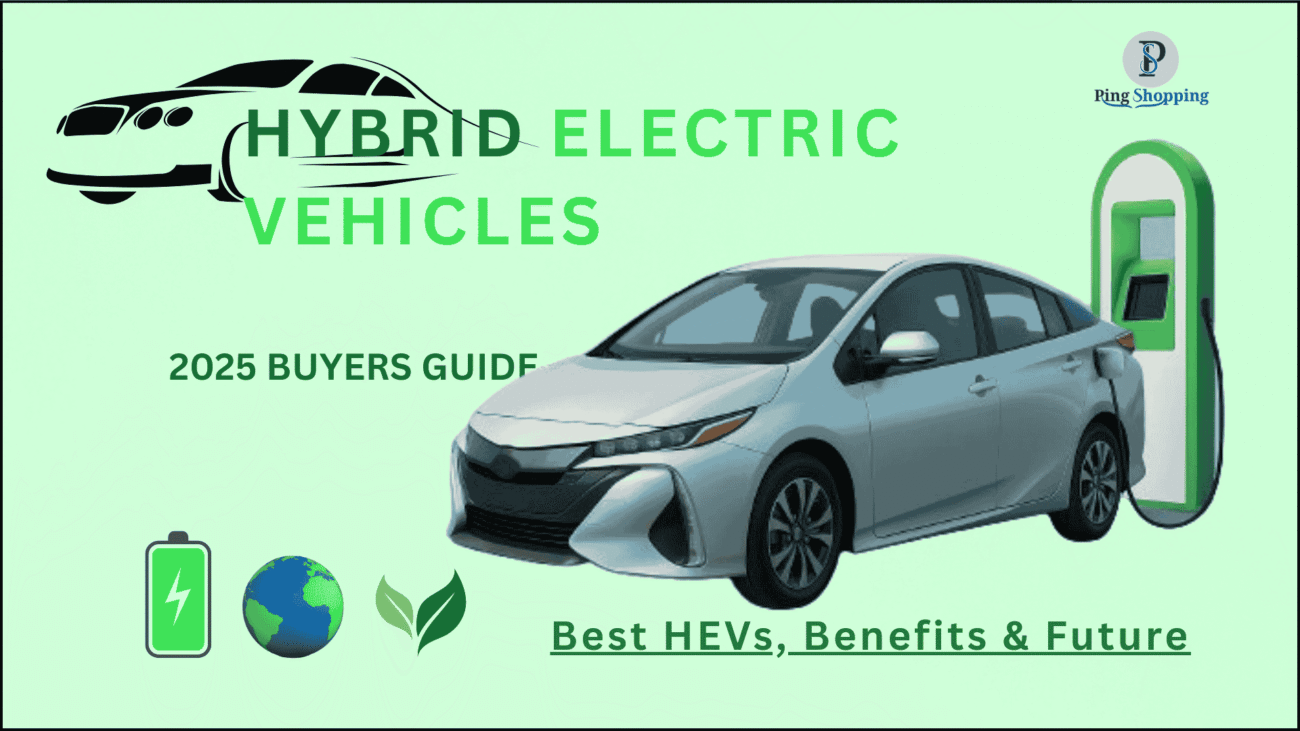
A Hybrid Electric Vehicle (HEV) combines a traditional internal combustion engine (ICE) with an electric motor and battery. Unlike fully electric cars, HEVs don’t rely solely on electricity; instead, they use both fuel and electric power to improve efficiency.
How HEVs Work
HEVs automatically switch between the engine and electric motor, or use both together, depending on driving conditions. For instance:
At low speeds, the electric motor powers the car.
At high speeds or heavy loads, the combustion engine provides support.
During braking, regenerative systems recharge the battery.

Hybrid vs Electric Cars
Hybrid Vehicles (HEVs) → Gasoline + Electricity, no external charging needed.
Plug-in Hybrids (PHEVs) → Can charge from an outlet for longer electric-only range.
Electric Vehicles (EVs) → Fully powered by electricity, zero fuel required.
Types of Hybrid Electric Vehicles
1. Mild Hybrid (MHEV)
Mild hybrids can’t run on electric power alone. Instead, the electric motor assists the engine, improving fuel economy and reducing emissions.
2. Full Hybrid (FHEV)
Full hybrids, like the Toyota Prius, can run on the engine, the electric motor, or both. They are the most common type of HEVs on the road today.
3. Plug-in Hybrid (PHEV)
PHEVs, such as the Hyundai Ioniq Plug-in, have larger batteries and can drive short distances on electricity alone (20–50 miles). Once the battery is empty, the gasoline engine takes over.
Key Features or Benefits of Hybrid Electric Vehicles
| Feature | Description |
|---|---|
| Dual Power Source | Combines gasoline engine and electric motor for improved efficiency. |
| Regenerative Braking | Recaptures energy during braking to recharge the battery. |
| Lower Emissions | Emits less CO2 compared to regular vehicles. |
| Fuel Efficiency | Saves on fuel costs, offering higher miles per gallon. |
| No Charging Required | Batteries charged internally, no need for external electric supply. |
Challenges of Hybrid Electric Vehicles
Cost & Maintenance
While HEVs are cheaper than EVs, they are more expensive than standard fuel cars. Maintenance costs can also be higher due to the dual system (engine + electric).
Battery Lifespan
Hybrid batteries typically last 8–10 years, but replacement can be costly. Manufacturers often provide extended warranties to reduce customer concerns.
Infrastructure Limitations
Unlike EVs, HEVs don’t require charging stations, but PHEVs do. In regions where charging infrastructure is weak, PHEVs may be less practical.
Future of Hybrid Electric Vehicles in 2025 and Beyond
Government Policies & Incentives
Many countries are offering tax rebates, incentives, and subsidies for hybrid and electric vehicles to encourage adoption and reduce pollution.
Technology Advancements
Automakers are focusing on lighter batteries, faster charging, and AI-powered energy management systems to make hybrids more efficient.
Market Growth & Consumer Trends
By 2030, experts predict that hybrids will play a major role in the global shift toward clean mobility, especially in developing countries where full EV adoption is still limited.
Should You Buy a Hybrid Electric Vehicle in 2025?
If you want better fuel efficiency, lower emissions, and a smooth driving experience without fully committing to electric cars, a Hybrid Electric Vehicle is the ideal choice in 2025. For city drivers, a full hybrid is cost-effective, while long-distance travelers may benefit from a plug-in hybrid.
Conclusion
Hybrid Electric Vehicles are more than just a trend – they’re a stepping stone toward a greener future. Offering the best balance between fuel and electricity, HEVs are perfect for drivers who want to save money on fuel while reducing their carbon footprint. As governments and manufacturers continue to push for cleaner transportation, hybrids will remain a smart, practical, and eco-friendly choice for years to come.
Related informational articles
- Yoga for Beginners: Best Journey into the Ancient Practice and the Transformational Benefits of Yoga

- The Ad Blockers Android: Big Tech Doesn’t Want You to Know About in 2026
- Harmful Health Effects of Cigarette Smoking: Risks, Diseases, and Long-Term Impacts
- Best Affordable Electric Sports Cars Under $100K




“If you found this article helpful, share it with your circle and follow PingShopping on social media”
Frequently Asked Questions
What is a Hybrid Electric Vehicle (HEV)?
A Hybrid Electric Vehicle (HEV) combines an internal combustion engine with one or more electric motors to improve fuel economy and reduce emissions compared to conventional gasoline-only cars.
Are There Government Incentives for Hybrid Cars in 2025?
Many markets (especially in Asia and Europe) offer incentives like tax breaks, registration fee exemptions, and lower road taxes for hybrid vehicles to promote cleaner transport. (Example: India incentives show tax and fee breaks for electric/hybrid adoption)
What Are Common Hybrid Vehicles to Consider in 2026?
Popular hybrid models globally include Toyota RAV4 hybrids (both conventional and plug-in versions), which are expanding in availability for 2025–2026.
How Do Hybrids Compare with Fully Electric Cars?
Hybrid cars reduce fuel use and emissions compared to petrol-only vehicles, but full electric vehicles (BEVs) typically deliver even greater emissions reductions over a vehicle’s lifecycle. Reuters However, hybrids can appeal to buyers who want no range anxiety and shorter refueling times.
Where Can I Get More Information About Hybrid Vehicles?
Visit automotive review sites, government automotive fuel economy portals, and trusted manufacturer sites for up-to-date specs, incentives, and comparisons.
About the author