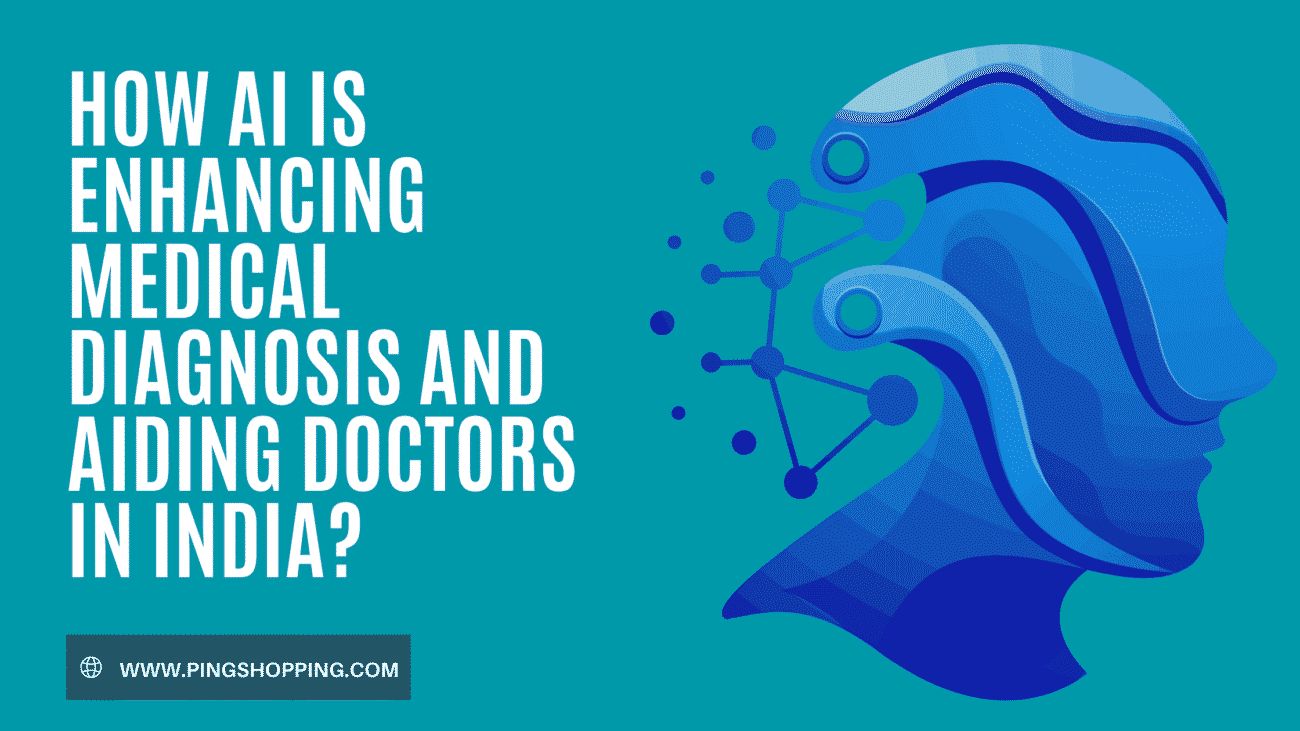
Artificial intelligence is no longer science fiction in Indian medicine. It’s an active assistant in diagnostics. In fact, AI is empowering clinicians in both urban and rural areas by allowing them to detect retinal changes. With the rising shortage of experts and increasing disease burdens, AI tools are at the forefront to rescue people and reduce the workload on clinicians.
In This Article
1. Lightening the Clinician’s Load with AI Workflow
AI is transforming the way doctors and nurses spend time at clinics and hospitals. They help in automating routine tasks, document clinical notes, and draft discharge summaries. At the same time, AI guest steps for understanding symptoms and recommending next steps for tests or treatments. More than 2-3 hours are being freed up for each clinician to focus on other tasks.
2. Eyes Wide Open: AI in Ophthalmology
AI’s role in Ophthalmology has become significant, too. It is impacting retinal screening, especially for diabetic retinopathy. It’s one of the primary reasons for visual repairment in India’s 100+ million diabetic population.
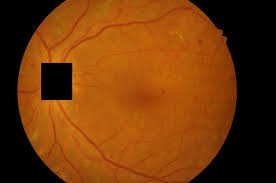
Recently, the Rajasthan state government introduced the MadhuNetr DR-AI system, a DR screening AI-driven project with fundus photography in primary health centers. The program has already screened 65 patients and referred 15 of them with retinopathy for treatment, with plans to roll out to eight more government hospitals.
In the meantime, a multicenter Indian trial launched AIDRSS, a computer system that analyzed more than 10,000 retinal scans and recorded 92% sensitivity and 88% specificity in diabetic retinopathy detection, including flawless detection (100% sensitivity) for referable stages (arXiv). Combined, these initiatives point toward scalable, reliable solutions for preventing avoidable blindness, even in the far reaches.
3. Targeted Diagnostics: From Liver to Stroke
Apollo Hospitals is working in collaboration with Siemens Healthineers to create AI-based imaging and ultrasound devices to identify and track MASLD (Metabolic Dysfunction-Associated Steatotic Liver Disease) that occurs in up to 32% of urban Indians, stratification of the disease, and implementing earlier treatment interventions.
4. Bridging the Rural-Urban Divide
One of AI’s most effective roles is democratizing quality healthcare across the entire nation. For instance, Sankara Nethralaya Teleophthalmology program has reached over 450,000 eye patients via remote retinal screening.

The KIDROP provides retinopathy-of-prematurity screening for infants across remote districts to prevent sight loss with early detection. These interventions represent how blending AI with telemedicine, point-of-care imaging, and task shifting is uplifting rural healthcare like never before.
5. Beyond Diagnosis: Precision Health & Future Possibilities
The use of AI is rising rapidly, and this is visible in precision medicine. Wipro GE Healthcare is partnering with IISc in developing advanced imaging and diagnostic AI to enhance care delivery.
The Garbhini-GA2 model for fetal-age prediction, in collaboration with IIT Madras and a number of hospitals, is reducing gestational age estimation. Many startups, such as Aindra, are also working on AI-based point-of-care solutions for diseases like cervical cancer, and others are using predictive profiling tools in preventive health.
Such developments give hints of a larger AI-infused ecosystem that helps with early prediction, prevention, and personalized care.
6. Challenges and Ethical Groundwork
Even with a lot of advancement, AI in the Indian healthcare system has to surpass many challenges. The most important things to tackle are data privacy, validation, and monitoring. Even the experts are focusing on making AI a support system in clinical judgment. Many regulatory guidelines are facilitating transparency, safety, and frequent performance analysis. Unfortunately, infrastructure and equity issues are still there to tackle. Already diverse data forms, disparate costs, and access to fast internet or imaging technology are slowly scaling up AI in India. These issues are meant to be handled strongly with clinical trust creation, and accessibility to technology design will turn AI into an accepted healthcare partner.
Conclusion
From rural Rajasthan eye screening clinics to liver diagnosis in high-technology hospitals, AI in India is no longer a dream. We are noticing the visible results. Through the continuum of care, AI is reducing the burdens of doing manual healthcare work. In fact, the pace is obvious that AI is changing from a test technology to a vital health infrastructure.
The true potential is in careful deployment. By prioritizing verification, transparency, anonymity, and access for all, India can make AI a reliable diagnostic copilot and not a shortcut. Healthcare’s future isn’t human or AI, it’s cooperative, inclusive, and smart. And it’s here already.
Also Read
How does artificial intelligence improve accuracy in medical diagnosis?
AI systems (such as deep-learning image models, predictive analytics, and NLP for clinical notes) can analyze far larger and more complex datasets than a human doctor alone. For example, they can detect subtle patterns in medical imaging (CT scans, MRIs, X-rays) that might otherwise go unnoticed, forecast disease risk based on patient history and risk factors, and flag anomalies much earlier. getvisitapp.com+2Park University+2
By doing so, AI helps reduce mis-diagnoses, speeds up the diagnostic process, and enables more personalized treatment plans.
What are the main challenges when integrating AI into healthcare diagnosis?
While AI promises huge gains, several challenges remain:
Data bias & representativeness: If the training data is not diverse, AI may perform less well for underrepresented groups.
Explainability & transparency: Clinicians need to understand how the AI arrived at its recommendation or alert.
Regulation & data privacy: AI systems must comply with data-security standards and regulatory frameworks in healthcare.
Workflow integration: Introducing AI tools must be done in a way that complements, rather than disrupts, the clinician’s workflow for diagnosis and treatment.
Can AI in medical diagnosis replace doctors entirely?
No — currently and for the foreseeable future, AI is designed to augment doctors, not replace them. It acts as a “diagnostic co-pilot” — giving faster insights, flagging risks, and enabling earlier interventions. But the ultimate diagnosis, context-sensitive judgement, and patient-doctor relationship remain with the human clinician.
For example, an AI might detect abnormal patterns in an imaging scan far quicker, but the doctor will decide on treatment, interpret the result in the full clinical context, and communicate with the patient.
“If you found this article helpful, share it with your circle and follow PingShopping on social media”
About the author