Is broccoli truly a good protein source? Discover broccoli protein content facts, amino acid profile, and how it compares to legumes and meat. Evidence-based nutrition guide
In This Article
Nutritional Breakdown of Broccoli
Broccoli deserves its reputation as a nutritional powerhouse, but its strengths lie primarily in micronutrients rather than macronutrients. A single cup of raw, chopped broccoli (approximately 91 grams) delivers just 31 calories with 2.5 grams of protein, alongside an impressive spectrum of essential nutrients.
The complete nutritional profile per 100 grams of raw broccoli reveals (Source: EatThis much) :
| Nutrient | Amount | Daily Value |
|---|---|---|
| Protein | 2.8–3 grams | 6% |
| Carbohydrates | 6.6 grams | 2% |
| Fiber | 2.6 grams | 9% |
| Vitamin C | 89 mg | 99% |
| Vitamin K | 101.6 mcg | 85% |
| Folate (B9) | 63 mcg | 16% |
| Calcium | 47 mg | 5% |
| Potassium | 316 mg | 7% |
What makes broccoli genuinely impressive is its exceptional micronutrient density. It contains approximately 99% of your daily vitamin C requirement in a single cup, essential for immune function and collagen synthesis, plus 85% of your daily vitamin K, crucial for bone metabolism and blood clotting. The vegetable also provides meaningful quantities of folate, manganese, and chromium.
Broccoli Protein Content Per 100g: Raw vs Cooked
The broccoli protein content changes subtly depending on preparation method, though the difference is less dramatic than with some other vegetables. This shift occurs not because protein is created during cooking, but because water content changes, concentrating nutrients differently.
Raw Broccoli:
- Protein per 100g: 2.8–3 grams
- Protein per cup (91g): 2.5 grams
- Calories: 34 per 100g
- Protein as % of calories: 33%
Cooked Broccoli (steamed):
- Protein per 100g: 3.7–4.2 grams
- Protein per cup (156g): 4.6 grams
- Calories: 50 per 100g
- Protein as % of calories: 29%
Studies revealed that while cooked broccoli shows higher protein density on paper, raw broccoli retains more of the original nutrient structure, including heat-sensitive compounds like sulforaphane and vitamin C. Cooking also affects bioavailability—the degree to which your body can actually absorb and utilize the nutrients present. (Source: 1,2)
Amino Acid Profile: Is Broccoli a Complete Protein?
The amino acid composition of broccoli presents both promise and limitations. Broccoli contains all nine essential amino acids—those your body cannot synthesize independently—but in amounts insufficient to make it a complete protein source on its own. (Ref: 2)
The limiting amino acids—those present in the lowest amounts relative to human requirements—are lysine, methionine, and tryptophan. This is why broccoli is classified as an incomplete protein. To form a complete protein eating broccoli, you must be combined with other foods containing higher concentrations of these limiting amino acids. (Ref:3, 4)
Raw Broccoli effect:
It is important to know that eating raw broccoli can sometimes affect you in various ways, the most common of which is digestive problems.
Broccoli vs Other Protein Sources: A Comprehensive Comparison

Who Should Consider Broccoli for Protein Intake?
We know broccoli plays distinct nutritional roles for different populations:
Vegans and Vegetarians:
For the decade, broccoli has as a side organic veggie. It is a supportive nutrient source that complements primary plant proteins like lentils, chickpeas, and legumes. Combined with grains, seeds, and other plant foods, broccoli contributes amino acids while providing fiber and micronutrients that strengthen the overall protein matrix of a plant-based diet. (Ref: Nomeatathlete, Mealsfromtheheartcafe)
Weight Loss Goals:
Broccoli is very good for those who want to lose weight or maintain their weight. The exceptional fiber content (2.6g per 100g) with minimal calories (34 per 100g) makes broccoli ideal for satiety. It provides protein contribution without significant caloric burden, supporting lean mass preservation during caloric deficits—though it must be paired with adequate complete protein from other sources. (Ref: Medicalnewstoday)
Micronutrient Optimization:
It’s good for those who lack some of the Vitamins like C, K, and more. It’ll give you immune support, bone health, and antioxidant protection. Broccoli’s nutrient density outperforms most foods. Its vitamin C, vitamin K, and sulforaphane content justifies regular consumption for these specific benefits alone.(Ref: Medkart)
Athletes and Active Individuals:
You must know that while broccoli cannot serve as a primary protein source, its carbohydrate content (6.6g per 100g), low glycemic index (32), and fiber content support athletic nutrition when combined with complete protein sources. Athletes requiring 1.4–2.1 grams of protein per kilogram of body weight must source this from concentrated protein foods, not broccoli. (Ref: Mealsfromtheheartcafe, Nomeatathlete)
You may also like to explore:
Best Ways to Combine Broccoli for Higher Protein Absorption
As we studied, broccoli singularly cannot serve as a primary protein source. Only strategic food combinations can maximize their nutritional contribution and support better amino acid utilization:
Complementary Protein Pairing Strategy
Combining incomplete plant proteins creates complete proteins. Broccoli pairs synergistically with:
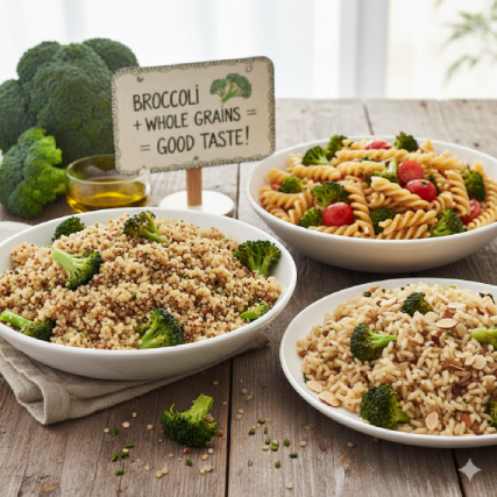
Broccoli With Whole Grains:
- Broccoli + brown rice
- Broccoli + quinoa
- Broccoli + whole wheat pasta
You can add whole grains with broccoli, like Brown rice, quinoa, also you can some whole wheat pasta. These combinations provide the amino acids broccoli lacks (from the grain) while the grain gains the amino acids broccoli provides, creating a more complete protein profile.
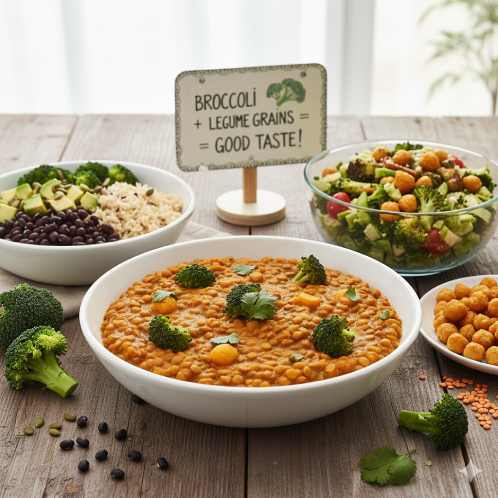
Broccoli With Legumes:
- Broccoli + lentils (in curry, soup, or stir-fry)
- Broccoli + chickpeas (roasted or in salads)
- Broccoli + black beans (in grain bowls)
Legumes provide robust protein with excellent bioavailability, while broccoli adds fiber, micronutrients, and phytochemicals. It can eat broccoli with some extra Lentils(in curry, soup, or stir fry), Chickpeas (roasted or in salads), or a combination of black beans (in grain bowls).
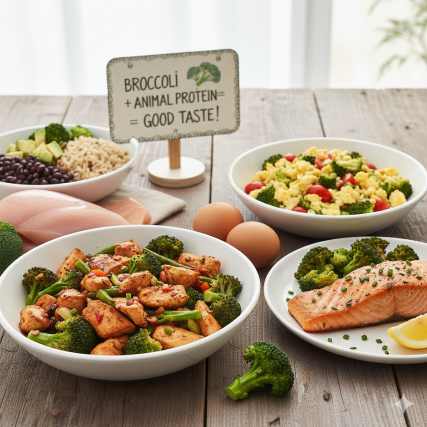
Broccoli With Animal Proteins:
- Broccoli + chicken breast
- Broccoli + fish
- Broccoli + eggs
This remains the most efficient approach for meeting protein targets while maximizing micronutrient density. It’s best for non-veg people, who can survive without meat, fish and eggs. This will be a great dish, when you add Broccoli with chicken Breast, Broccoli with fish, Broccoli with eggs.
Cooking Method Optimization for Protein Retention
Raw Broccoli:
When you eat raw Broccoli, it preserves all amino acids and heat-sensitive antioxidants, such as sulforaphane (37% bioavailability), compared to 3% in cooked broccoli. To enhance the absorption of fat-soluble vitamins, it is best to consume them raw in salads or with a small amount of fat.
Steamed Broccoli (3–5 minutes):
When eating steamed broccoli, it offers the best balance—steaming retains approximately 90% of vitamin C and maintains our amino acid integrity while improving the digestibility and bioavailability of certain nutrients like carotenoids.
Microwaved Broccoli (under 1 minute):
Yes, eating broccoli for 1 minute in the microwave can preserve sulforaphane better than boiling or steaming due to minimal heat exposure and water contact.
Avoid Boiling: This cooking method leaches water-soluble vitamins and proteins into cooking water, reducing nutrient availability by 50–60%.
You may also like
- Top Nutrient-Rich Fruits for Health and Well-Being
- These Vegetables You Should Eat at Least Once a Week
- Want to Boost Immunity and Prevent Diseases: This Article for You
- Broccoli Protein Content: Is It Really a Good Protein Source?
- Macronutrients and Micronutrients: Essential Nutrients in a Balanced Diet
Enhancing Protein Absorption
Add Vitamin C: Pairing broccoli with citrus, tomatoes, or peppers enhances non-heme iron absorption through the reduction of ferric iron to a more absorbable ferrous form.
Include Healthy Fats: Consuming broccoli with olive oil, avocado, or nuts improves absorption of fat-soluble vitamins (A, D, E, K) and supports overall nutrient bioavailability.
Combine with Protein: Pairing broccoli with complete protein sources ensures that the limited amino acids broccoli provides integrate into your overall amino acid pool for optimal utilization.
Frequently asked questions
How much protein does one cup of broccoli contain?
One cup of raw, chopped broccoli (approximately 91 grams) contains 2.5 grams of protein. Cooked broccoli in one cup (156 grams) contains approximately 4.6 grams. So, these amounts are too small to serve as a primary protein source.
Is broccoli suitable for vegans requiring adequate protein intake?
Broccoli contributes to protein intake but cannot serve as a primary protein source for vegans. The best approach is to combine broccoli with legumes (lentils, chickpeas), whole grains (quinoa, brown rice), and soy products (tofu, tempeh). An athlete requires 1.4–2.1 grams per kilogram of body weight must carefully plan meal combinations.
Is broccoli protein adequate for gym-based strength training?
No. Strength athletes require 1.6–2.2 grams of protein per kilogram of body weight daily according to International Society of Sports Nutrition recommendations. Broccoli cannot supply this independently. A 70kg strength athlete requires 112–154 grams of protein daily—equivalent to consuming 40–55 cups of raw broccoli. Source primary protein from chicken, fish, eggs, legumes, or protein supplements, using broccoli as a micronutrient and fiber complement.
Can I eat Broccoli the next day?
Yes, you can definitely eat broccoli the next day, both raw and cooked. This is because, when stored properly in an airtight container, it stays fresh in the refrigerator for 3-4 days. However, before eating, check for signs of spoilage such as mold, foul odor, or excessive yellowing. Cooked broccoli becomes more susceptible to bacteria, so refrigerate it promptly to avoid illness.
“If you found this article helpful, share it with your circle and follow PingShopping on social media”
About the author

Our recommended affiliate products for yourself
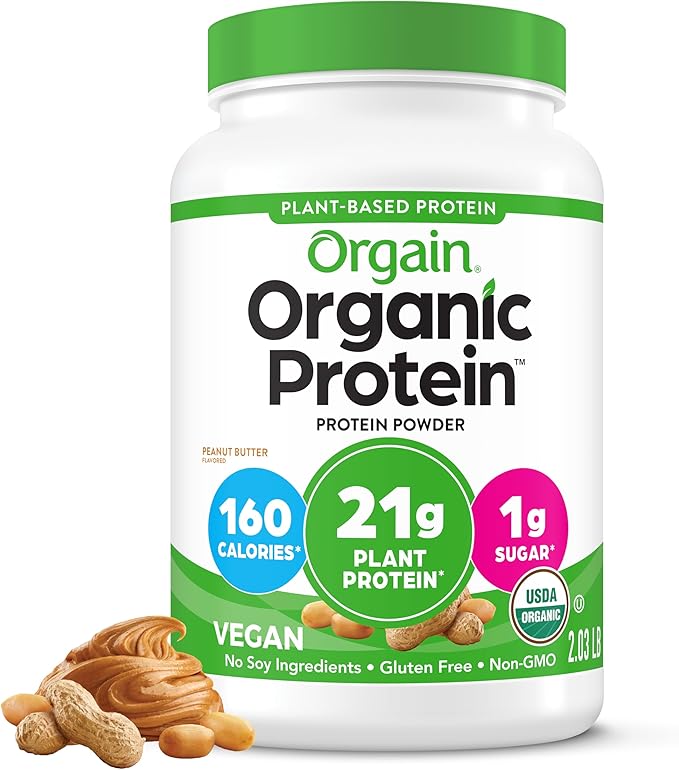
Garden of Life Sport Organic Plant-Based Protein Powder
Complete amino acid profile with 20g protein per serving, blending peas, navy beans, lentils, garbanzo beans, and cranberries. Ideal for athletes and active individuals seeking convenient, complete plant protein.

Naked Pea Premium Pea Protein Powder
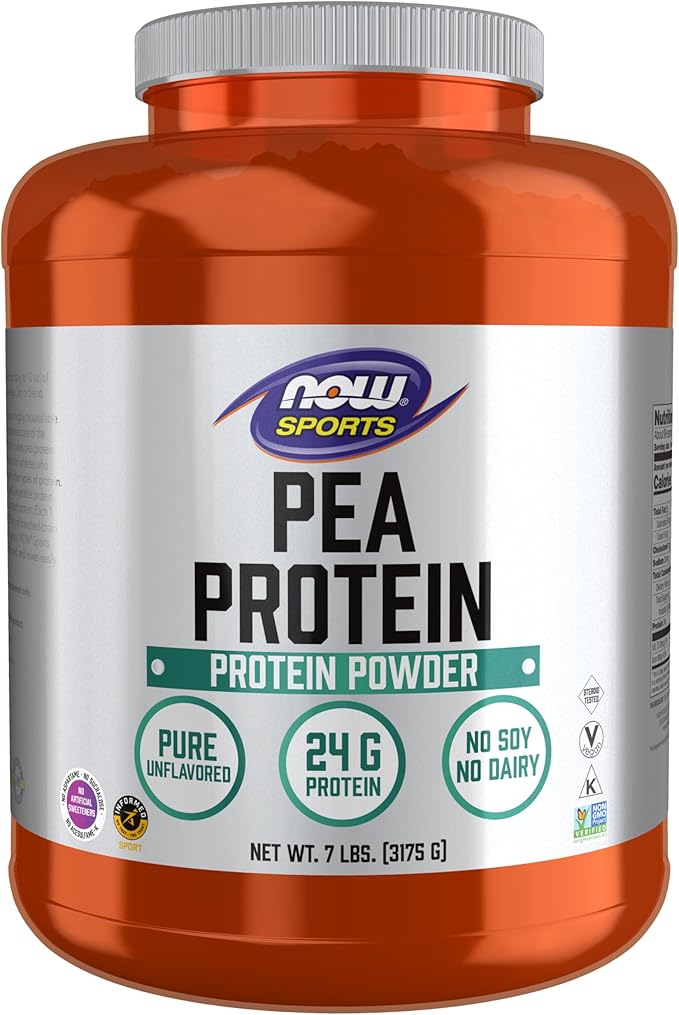
With 27g of protein per serving from sustainably sourced yellow peas, this unflavored option contains no artificial additives, sweeteners, or colors. Excellent for smoothies, baking, and recipes where you control taste.