
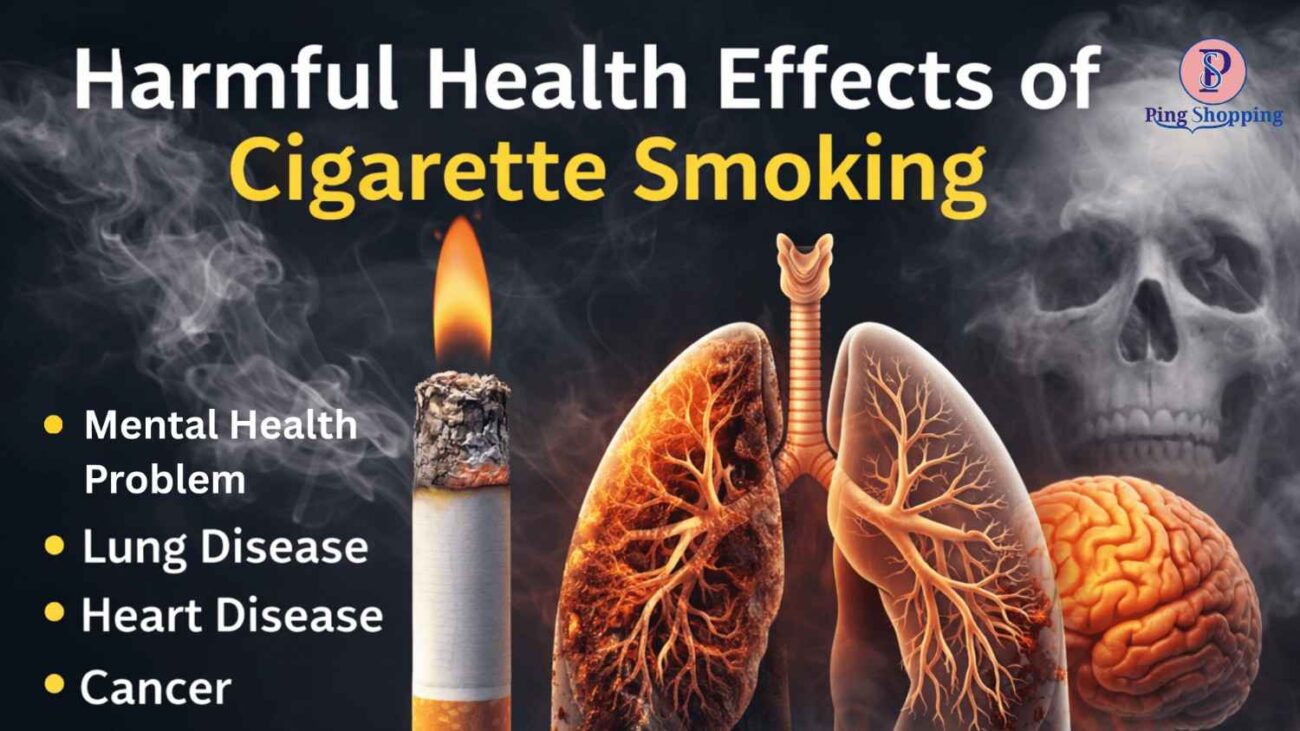
Cigarette smoking is one of the most serious and preventable public health threats worldwide. Despite decades of scientific research, health warnings, and anti-smoking campaigns, millions of people continue to smoke cigarettes every day. In high-income and developed countries, smoking remains deeply linked to stress, lifestyle habits, social environments, and nicotine addiction. What many smokers fail to realize is that cigarette smoking damages nearly every organ in the body and significantly reduces both quality of life and life expectancy.
In This Article
Why Cigarette Smoking Is So Dangerous
Cigarette smoke contains more than 7,000 chemicals, many of which are toxic and harmful to human health. At least 70 of these chemicals are known to cause cancer. When a cigarette is inhaled, these substances enter the lungs and rapidly pass into the bloodstream, spreading throughout the body within seconds.
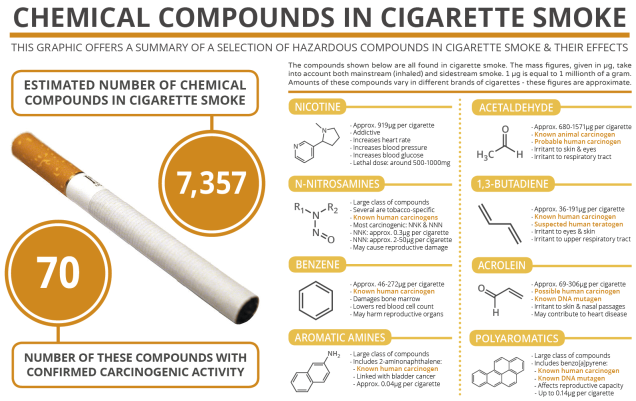
Some of the most dangerous components of cigarette smoke include nicotine, carbon monoxide, tar, formaldehyde, benzene, arsenic, and ammonia. Nicotine is responsible for addiction, while other chemicals damage cells, tissues, and organs. Continuous exposure leads to chronic inflammation, oxidative stress, and DNA damage, which together increase the risk of long-term disease.
Damage to the Respiratory System
The respiratory system is the first and most severely affected by cigarette smoking.
Chronic Obstructive Pulmonary Disease (COPD)
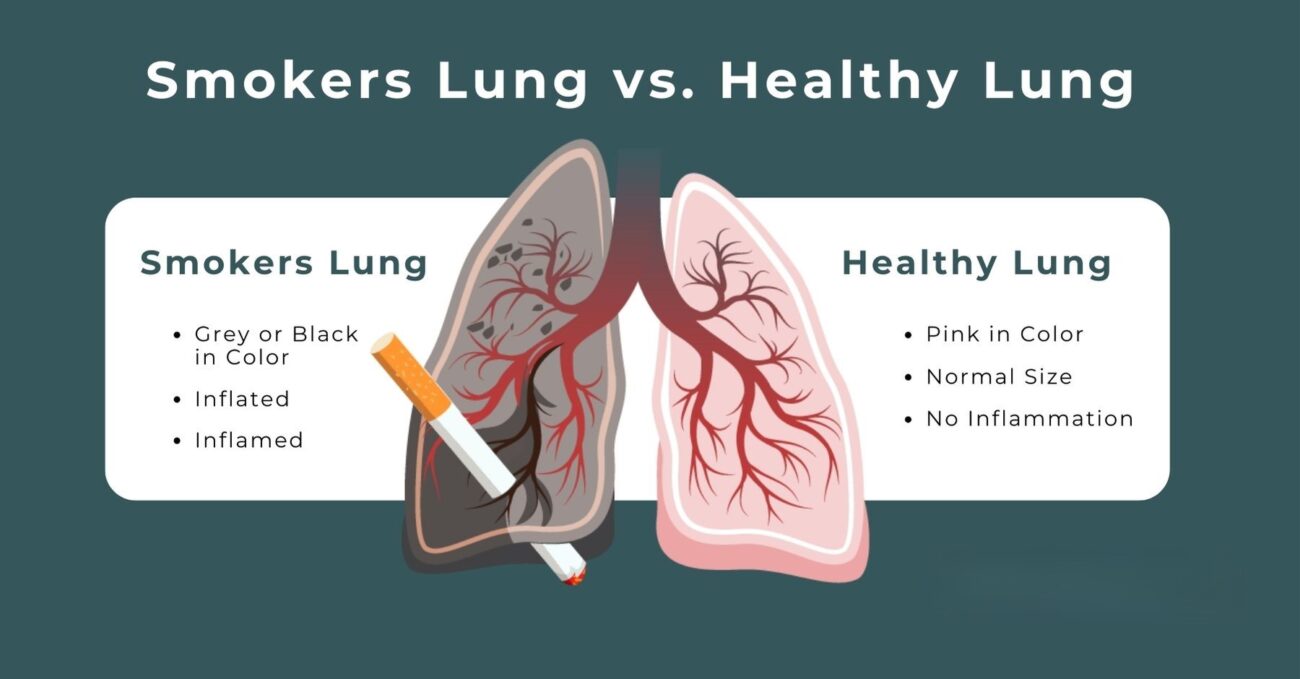
Smoking is the leading cause of chronic obstructive pulmonary disease, a progressive and irreversible condition that includes emphysema and chronic bronchitis. COPD causes persistent coughing, excessive mucus production, shortness of breath, and reduced lung capacity. As the disease progresses, even simple activities such as walking or climbing stairs become difficult.
Lung Cancer
Cigarette smoking is responsible for approximately 85 to 90 percent of lung cancer cases. The carcinogens in tobacco smoke damage lung cells over time, causing genetic mutations that lead to uncontrolled cell growth. Lung cancer often develops silently and is frequently diagnosed at advanced stages, making it one of the deadliest cancers worldwide.
Increased Respiratory Infections
Smokers are more susceptible to respiratory infections such as pneumonia, bronchitis, and influenza. Smoking damages the tiny hair-like structures in the lungs that help clear mucus and pathogens, weakening the body’s natural defense system.
Cardiovascular Diseases Caused by Smoking
Cigarette smoking is a major risk factor for cardiovascular disease, which includes heart disease, stroke, and peripheral artery disease.
Smoking damages the lining of blood vessels, increases blood pressure, raises levels of harmful cholesterol, and promotes the formation of blood clots. These effects significantly increase the risk of heart attacks and coronary artery disease, even in people who smoke only a few cigarettes per day.
Smokers are also twice as likely to suffer a stroke compared to non-smokers. Reduced blood flow to the brain can lead to permanent disability, speech problems, and loss of cognitive function. Peripheral artery disease, another consequence of smoking, reduces blood flow to the limbs and can result in pain, infections, and even amputations in severe cases.
Increased Risk of Multiple Cancers
While lung cancer is the most well-known smoking-related cancer, cigarette smoking increases the risk of many other types of cancer as well. These include cancers of the mouth, throat, esophagus, pancreas, bladder, kidney, cervix, stomach, and colon.
The toxic chemicals inhaled during smoking circulate throughout the body, damaging DNA and interfering with normal cell repair processes. Over time, this cumulative damage can lead to cancer development in multiple organs.
Effects on Brain Function and Mental Health
Nicotine is a powerful addictive substance that alters brain chemistry. It stimulates the release of dopamine, creating temporary feelings of pleasure and relaxation. However, repeated exposure leads to dependence, tolerance, and withdrawal symptoms such as irritability, anxiety, restlessness, and difficulty concentrating.
Although many smokers believe cigarettes help reduce stress, research shows that smoking is associated with higher rates of anxiety and depression. Nicotine addiction creates a cycle of temporary relief followed by worsening mood and increased dependence.
Long-term smoking is also linked to cognitive decline. Studies suggest that smokers experience faster brain aging, reduced memory performance, and an increased risk of dementia later in life.
Reproductive and Sexual Health Problems
Cigarette smoking has serious effects on reproductive health in both men and women.
In men, smoking reduces sperm count and sperm quality, damages blood vessels, and increases the risk of erectile dysfunction. These factors contribute to infertility and sexual health issues.
In women, smoking disrupts hormonal balance, reduces fertility, and increases the risk of complications during pregnancy. Smoking during pregnancy is associated with miscarriage, premature birth, low birth weight, and sudden infant death syndrome. Children born to mothers who smoke are also at higher risk of respiratory illnesses and developmental problems.
Weakening of the Immune System
Smoking weakens the immune system, making the body less capable of fighting infections and recovering from illness. Smokers are more likely to experience frequent infections, delayed wound healing, and complications after surgery. Smoking also reduces the effectiveness of vaccines, increasing vulnerability to preventable diseases.
Premature Aging and Cosmetic Damage
One of the most visible effects of smoking is premature aging. Smoking reduces blood flow and oxygen supply to the skin, damaging collagen and elastin fibers that keep skin firm and youthful. As a result, smokers develop wrinkles, sagging skin, and a dull complexion at a much earlier age.
Smoking also causes yellowing of teeth, gum disease, chronic bad breath, and hair thinning. These cosmetic effects often make smokers appear significantly older than non-smokers of the same age.

The Dangers of Secondhand Smoke
Secondhand smoke is a serious health risk for non-smokers, especially children and pregnant women. Exposure increases the risk of heart disease, lung cancer, asthma attacks, and respiratory infections. There is no safe level of exposure to secondhand smoke, making smoking not only a personal health issue but also a public health concern.

Economic and Social Consequences of Smoking
Beyond health effects, smoking carries high economic and social costs. Smokers often face higher medical expenses, increased insurance premiums, and reduced work productivity. Long-term smoking can lead to financial strain due to the ongoing cost of cigarettes and treatment for smoking-related illnesses.
Families may also experience emotional stress and economic hardship when a loved one suffers from chronic disease or premature death caused by smoking.
Health Benefits of Quitting Smoking
The good news is that quitting smoking provides immediate and long-term health benefits, regardless of how long a person has smoked. Within minutes of quitting, heart rate and blood pressure begin to return to normal. Within weeks, lung function and circulation improve. After one year, the risk of heart disease is reduced by half, and over time, the risk of cancer and stroke continues to decline. Quitting smoking is one of the most powerful steps a person can take to improve overall health, longevity, and quality of life.
latest Articles:
- Chatting AI vs Killing AI: How OpenClaw’s Clawdbot and Moltbot Are Changing Online Conversations
- The Ad Blockers Android: Big Tech Doesn’t Want You to Know About in 2026
- Manus AI: The ‘Hand’ That Does Your Job Better Than You (Meta’s $2B Gamble Explained)
- Best Affordable Electric Sports Cars Under $100K
- Most Craziest apps that everyone needs to try in 2026
Frequently asked questions
What are the harmful health effects of cigarette smoking?
Cigarette smoking has serious effects on overall health and damages nearly every organ in the body. It increases the risk of lung cancer, heart disease, stroke, chronic obstructive pulmonary disease (COPD), and several other cancers. Smoking also weakens the immune system, accelerates aging, and significantly reduces life expectancy.
How does cigarette smoking affect the lungs?
Smoking irritates and inflames the airways and damages lung tissue over time. It destroys the lungs’ natural cleaning system, making it harder to remove toxins and mucus. This leads to chronic bronchitis, emphysema, breathing difficulties, frequent infections, and a much higher risk of lung cancer.
Can cigarette smoking cause heart disease and stroke?
Yes. Smoking damages blood vessels, increases blood pressure, raises harmful cholesterol levels, and promotes blood clot formation. These changes greatly increase the risk of heart attacks, strokes, and other cardiovascular diseases, even in younger smokers.
How does smoking affect fertility and pregnancy?
Smoking reduces fertility in both men and women by affecting hormones, sperm quality, and egg health. During pregnancy, smoking increases the risk of miscarriage, premature birth, low birth weight, and sudden infant death syndrome (SIDS).
“If you found this article helpful, share it with your circle and follow PingShopping on social media”
About the author