

The Apple Watch has become a staple on wrists worldwide, blending tech innovation with sleek design. But is it worth the hype—and the price tag? Let’s dive into the pros and cons of Apple’s flagship wearable to help you decide if it’s your next must-have gadget.
The Pros: Why the Apple Watch Shines
- Your Health Guardian
- Track heart rate, ECG, and blood oxygen levels, and even detect irregular rhythms.
- Fall Detection and Emergency SOS can be lifesavers.
- Fitness fanatics get detailed metrics for workouts, calories burned, and activity rings to keep you moving.
- Convenience at Your Fingertips
- Answer calls, reply to texts, and control music without pulling out your iPhone.
- Apple Pay turns your wrist into a wallet for contactless payments.
- Seamless Apple Ecosystem Integration
- Unlock your Mac, ping your iPhone, or sync with Apple Fitness+ effortlessly.
- Customizable Style
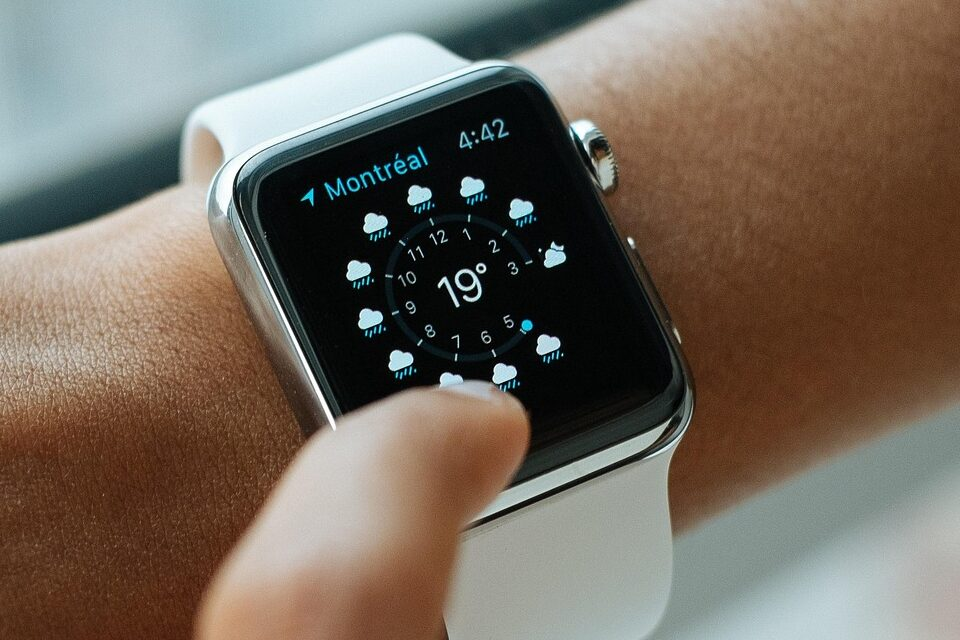
- Swap bands for workouts, meetings, or nights out. Choose watch faces to match your mood or needs (weather, calendar, or even memes!).
- GPS and Water Resistance
- Navigate runs or swims with confidence—it’s swim-proof up to 50 meters.
Where You Can Use the Apple Watch (Compared to Traditional Watches):
- Fitness Tracking and Health Monitoring: The Apple Watch excels in tracking health metrics like heart rate, ECG readings, blood oxygen levels, and even fall detection. It also monitors daily activity, workouts, and sleep patterns, providing a comprehensive health overview that traditional watches can’t match.
- Notifications and Communication: You can receive calls, texts, emails, and app notifications directly on your wrist. It also supports voice commands with Siri, making it easy to send quick replies or set reminders without having to touch your phone.
- Smart Payments and Digital Wallet: With Apple Pay, you can make contactless payments securely at stores, which is not possible with regular watches.
- Navigation and GPS: The built-in GPS provides precise navigation with turn-by-turn directions, ideal for walking or driving, which traditional watches lack.
- Apps and Smart Integration: It supports a variety of third-party apps for productivity, entertainment, and smart home controls, integrating seamlessly with other Apple devices.
The Cons: Where the Apple Watch Falls Short

- Battery Life: Daily Charging Required
- Forget weekend trips without the charger. Even the latest models need a nightly juice-up. The Apple Watch requires daily charging, unlike traditional watches that can last months or even years on a single battery. This limits its usability for long trips without access to charging.
- Pricey Investment
- Starting at 249(for theSE) and soaring to 249 (for theSE)and soaring to 800+ for Hermès editions, it’s a splurge compared to Fitbit or Garmin.
- iPhone Dependency
- Android users, look away: The Apple Watch only works with iPhones.
- Small Screen, Big Frustrations
- Typing or browsing on a 1.7-inch display? Not ideal for lengthy interactions.
- Distraction Overload
- Constant notifications can interrupt workouts, meetings, or moments of zen.
Also Read:
5 Low-Cost Web Hosting Services
How to Earn 1 Cent per Second: Money Attraction Laws and Rules
From Vibe Coding to Intent-Driven Software
Where You Can not be Satisfied (or It’s Limited) Compared to Traditional Watches:
- Durability and Ruggedness: Although newer models are more durable, they are still more fragile than many traditional watches, especially rugged sports or military watches designed to withstand extreme conditions.
- Classic Style and Luxury Appeal: High-end analog watches are often seen as status symbols with intricate craftsmanship and heritage. The Apple Watch, with its modern design, lacks this timeless luxury appeal.
- Underwater Usage: While the Apple Watch is water-resistant and suitable for swimming, it is not designed for deep-sea diving, unlike specialized diving watches that can withstand higher water pressure.
- Repair and Longevity: Traditional watches can last decades with minimal maintenance, whereas the Apple Watch faces tech obsolescence and costlier repairs due to its complex components and software updates.
The Verdict: Should You Buy It?
The Apple Watch excels as a health and productivity tool for iPhone loyalists, but it’s not perfect. If you’re deep in the Apple ecosystem and prioritize fitness tracking and convenience, it’s a winner. However, budget-conscious shoppers or Android users might find better value elsewhere.
Pro Tip: Wait for holiday sales or consider refurbished models to save cash.
Apple Watch Band: Stainless Steel
If you are looking to gift your loved ones: a Valentine’s special gift: Please explore here on Amazon with the link
Loved this breakdown? Please share it with a friend debating their next smartwatch!
“If you found this article helpful, share it with your circle and follow PingShopping on social media”
Frequently Asked Questions
What’s the difference between Apple Watch SE 3, Series 11, and Ultra 3?
SE3 now features an Always-On display (new in 2025!), heart rate monitoring, sleep tracking, and body temperature sensing. Apple Watch Series 11 ($399–$499): The “Goldilocks” option. Includes all SE 3 features plus ECG, blood oxygen app, hypertension notifications (brand new in 2025), Ultra Wideband precision finding, a thinner design with a brighter display (2,000 nits), and 24-hour battery life. Best for most upgraders. Apple Watch Ultra 3 ($799+): The premium powerhouse. Largest screen (49mm), brightest display (3,000 nits), full dive computer, satellite SOS, 42–72 hour battery life, and rugged titanium construction.
Which Apple Watch should I buy?
It depends on your use case: Go with SE 3. The Always-On display is now standard, and you get all core fitness and safety features. Choose Series 11. The hypertension notification and ECG/blood oxygen features justify the $150 price bump. Pick Ultra 3. The 42+ hour battery and dive computer are game-changers.
Is the Apple Watch worth buying in 2025?
Yes, especially if you own an iPhone. The 2025 lineup offers: Industry-leading health tracking (ECG, blood oxygen, hypertension alerts). Seamless iPhone integration (notifications, Siri, Apple Pay). Strong fitness tracking across all models. New features like always-on displays on all models and hypertension notifications on Series 11+.
Can I swim with my Apple Watch?
Yes, but it depends on the model.