
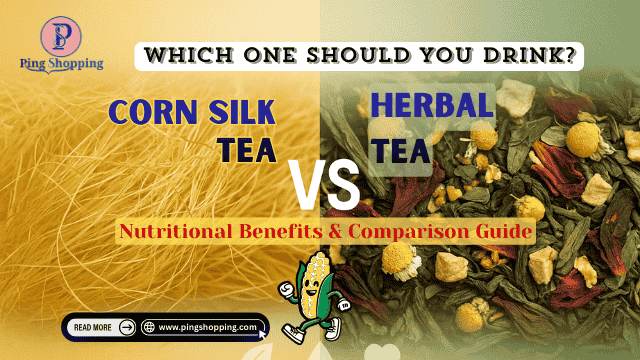
Discover the nutritional differences between corn silk tea and herbal tea. Compare health benefits for weight loss, kidney health, diabetes, and detoxification with scientific research and expert recommendations.
In This Article
Introduction
Which tea truly delivers superior nutritional benefits? Corn silk tea, a traditional remedy revered in Chinese and Native American medicine for centuries, offers potent nephroprotective and metabolic benefits. Meanwhile, herbal teas like chamomile, peppermint, and hibiscus provide versatile, researched-backed health advantages across a broader spectrum of wellness applications.
This comprehensive guide breaks down the nutritional profiles, health benefits, and practical considerations of both beverage categories—so you can make an informed decision based on your specific health goals.
What Is Corn Silk Tea?
Corn silk—the delicate, thread-like strands found beneath the husk of corn—has been utilized for thousands of years in traditional medicine systems. Often discarded as agricultural waste in modern farming, this humble byproduct contains a remarkable concentration of bioactive compounds.
Traditional Uses & Modern Applications
In traditional Chinese medicine, corn silk—known as Maydis stigma—has been prescribed for:
- Urinary tract infections and bladder conditions
- Kidney stone prevention and management
- Hypertension and cardiovascular support
- Diabetes management and blood sugar regulation
- Gallstone reduction and hepatic support
Modern research has validated many of these traditional applications, revealing mechanisms of action that explain corn silk’s therapeutic potential across multiple physiological systems.
What Is Herbal Tea? Varieties, Herbs & Spectrum of Benefits
Unlike “true teas” derived from the Camellia sinensis plant (black, green, white, oolong), herbal teas are infusions of dried herbs, flowers, fruits, spices, and plant materials. This broader category encompasses hundreds of botanical combinations, each with distinct nutritional and medicinal profiles.
Common Herbal Tea Varieties & Their Profiles
Chamomile Tea
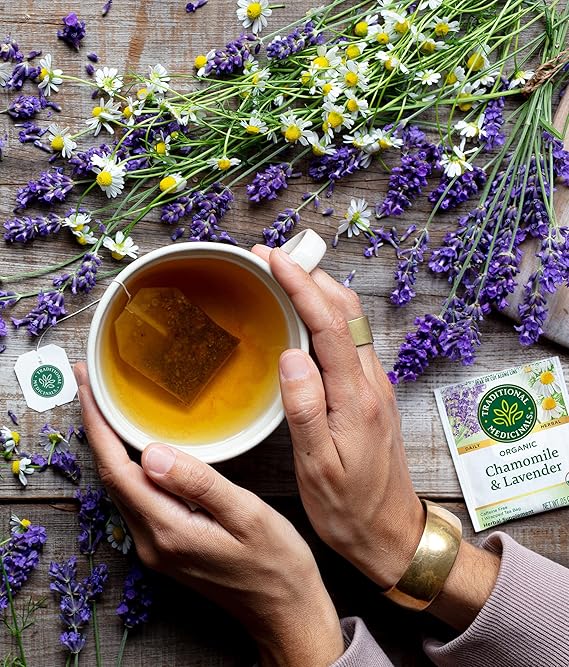
Derived from chamomile flowers, this caffeine-free beverage has become the leading segment in the global herbal tea market. Rich in antioxidants including flavonoids and phenolic compounds, chamomile supports relaxation, improves sleep quality, and offers antimicrobial and anti-inflammatory properties.
Peppermint Tea
Sourced from Mentha piperita, peppermint tea is naturally caffeine-free and loaded with antioxidants. Its antispasmodic properties relax stomach muscles, alleviating nausea, indigestion, and IBS symptoms. Peppermint has demonstrated efficacy for headache relief and immune system strengthening.
Green Tea (Herbal Blends)
While traditional green tea contains caffeine, herbal green tea blends often combine green tea leaves with herbal ingredients. These blends provide catechins—powerful antioxidants that boost fat oxidation and metabolism, making them particularly effective for weight management.
Hibiscus Tea
This ruby-red infusion is packed with anthocyanins and other polyphenols. Research indicates hibiscus may support heart health, aid weight management, fight bacterial infections, and promote skin radiance through its antioxidant activity.
Ginger & Turmeric Teas
These warming herbal teas contain gingerols and curcumin respectively—active compounds with powerful anti-inflammatory and antioxidant properties. They support digestion, reduce pain, and enhance metabolic function.
Dandelion Root Tea
A detoxification powerhouse, dandelion root has been traditionally used to improve liver function, support kidney health, and enhance digestion. Modern research confirms its role in promoting healthy bile production and blood cleansing.
Health Benefits Comparison: Detailed Analysis
Weight Loss & Metabolic Support
Corn Silk Tea
Corn silk supports weight loss indirectly through its potent diuretic properties, which reduce water retention and excess fluid accumulation. The high potassium content facilitates electrolyte balance while promoting healthy fluid elimination, helping users achieve a leaner appearance. Additionally, corn silk’s polyphenols may enhance fat metabolism and reduce inflammation associated with obesity.
Herbal Tea
Herbal teas like green tea blends deliver superior direct metabolic boosting. Green tea’s catechins increase fat oxidation by 17% during exercise and support sustained metabolic elevation even at rest. Peppermint and ginger teas improve digestion, reduce appetite, and support the body’s natural fat-burning processes. Hibiscus tea has shown promise in weight management through its effect on carbohydrate absorption.
Winner: Herbal Tea (especially green tea blends) for direct metabolic acceleration and sustained weight loss.
Kidney Health & Nephroprotection
Corn Silk Tea
This is where corn silk truly excels. Extensive clinical research demonstrates that corn silk provides comprehensive nephroprotection through multiple mechanisms:
- Diuretic & Uricosuric Properties: Corn silk promotes urine production and uric acid elimination, reducing kidney stone formation risk
- Antioxidant Defense: Corn silk elevates superoxide dismutase (SOD) and total antioxidant capacity (TAC) in kidney tissue, protecting against oxidative damage
- Creatinine & Urea Reduction: Studies show significant reductions in serum creatinine and blood urea nitrogen—key markers of kidney function—when corn silk is consumed regularly
- Inflammatory Suppression: The anti-inflammatory compounds in corn silk reduce kidney inflammation associated with glomerulonephritis and early-stage chronic kidney disease
Herbal Tea
While herbal teas support kidney health, their effects are generally more moderate. Green tea has demonstrated benefits for chronic kidney disease patients—studies show that consuming three cups daily improved serum lipid profiles and glycemic control without adverse renal effects. However, herbal teas lack the pronounced nephroprotective properties of corn silk.
Winner: Corn Silk Tea (dramatically superior for direct kidney protection and stone prevention).
Blood Pressure Regulation
Corn Silk Tea
A 2019 systemic review and meta-analysis confirmed that corn silk tea combined with standard hypertensive medications is more effective than medications alone in reducing blood pressure. The mechanism involves angiotensin-converting enzyme (ACE) inhibition—corn silk’s bioactive compounds block the enzyme responsible for vasoconstriction, promoting vasodilation and improved blood flow.
The diuretic effect also contributes by reducing excess sodium and fluid volume that puts pressure on arterial walls.
Herbal Tea
Herbal teas like hibiscus have demonstrated mild antihypertensive effects through their anthocyanin content. However, the evidence base is less robust than for corn silk, and effects are typically more subtle.
Winner: Corn Silk Tea (evidence-backed ACE inhibition and superior efficacy).
Diabetes Support & Blood Sugar Management
Corn Silk Tea
Research indicates that corn silk acts as a hypoglycemic agent through multiple pathways:
- Insulin Stimulation: Animal studies show corn silk increases insulin production in pancreatic cells
- Glycemic Control: Corn silk slows carbohydrate absorption, preventing dangerous blood sugar spikes
- Pancreatic Protection: The antioxidant compounds help repair pancreatic beta cells damaged by hyperglycemia
- Gut Microbiota Modulation: A 2024 study demonstrated that corn silk reduces gut inflammation and dysbiosis associated with type 1 diabetes
Important Note: Individuals taking diabetes medications should consult their healthcare provider before using corn silk, as the combination may cause excessive blood sugar reduction (hypoglycemia).
Herbal Tea
Green tea catechins improve insulin sensitivity and promote healthy glucose metabolism. Cinnamon and ginger teas help stabilize blood sugar and reduce cravings. However, herbal teas function more as supportive supplements rather than primary therapeutic agents.
Winner: Corn Silk Tea (stronger hypoglycemic effects and direct insulin support).


Gut Health & Digestive Function
Corn Silk Tea
Corn silk’s anti-inflammatory and antioxidant compounds soothe the digestive tract, reduce intestinal inflammation, and promote the growth of beneficial gut bacteria. The diuretic properties also support healthy elimination patterns.
Herbal Tea
Herbal teas excel in digestive support. Peppermint relaxes smooth muscle, alleviates IBS symptoms, and reduces bloating. Ginger enhances digestive enzyme production and reduces nausea. Dandelion root promotes bile production, supporting fat digestion and liver health. Fennel and licorice root soothe intestinal inflammation.
Winner: Herbal Tea (broader spectrum of digestive benefits, especially peppermint and ginger).
Detoxification & Liver Support
Corn Silk Tea
While corn silk demonstrates antioxidant properties that protect liver cells from oxidative stress, it is not primarily marketed as a liver detoxifier.
Herbal Tea
Specific herbal formulations shine for detoxification. Dandelion root, milk thistle, and turmeric directly support liver function and toxin elimination. These herbs stimulate bile production, enhance Phase II liver detoxification pathways, and contain silymarin (milk thistle) which protects hepatocytes from damage.
Hibiscus tea contains chlorogenic acid, supporting antioxidant liver protection.
Winner: Herbal Tea (dedicated detoxification herbs unavailable in corn silk).
Taste, Preparation & Daily Consumption Comparison
Flavor Profile & Palatability
Corn Silk Tea
Corn silk delivers a naturally sweet, mild, and subtle flavor—often compared to light corn water or delicate vegetable broth. This neutral taste makes it highly versatile and allows it to blend with other ingredients without overpowering the palate. The mild nature means it appeals to individuals sensitive to strong herb flavors.
Preparation: Fresh corn silk from 3-4 ears steeped in 2-3 cups of filtered water for 5-10 minutes, or 1 teaspoon of dried corn silk per cup of hot water.
Herbal Tea
Flavor varies dramatically by type:
- Chamomile: Light, apple-like, slightly floral
- Peppermint: Bold, cooling, refreshing mint flavor
- Hibiscus: Tart, tangy, with floral notes
- Ginger: Warm, spicy, invigorating
This diversity means users can select flavors that genuinely excite their palate—making consistent consumption easier.
Ease of Preparation
Corn Silk Tea
Extremely simple: place dried corn silk or fresh strands in hot water and steep. No special equipment required. Tea bags are available for maximum convenience.
Herbal Tea
Equally simple—most herbal teas come in convenient tea bags or loose-leaf form. Preparation is identical to corn silk: 5-10 minutes steeping in hot water.
Daily Consumption & Safety
Corn Silk Tea
Recommended Dosage: 1-3 cups daily for therapeutic benefits. Some users consume up to 5 cups without adverse effects.
Optimal Timing: Morning or early afternoon (due to mild diuretic effects).
Long-term Safety: Corn silk is exceptionally well-tolerated with minimal side effects reported in literature. However, pregnant women should avoid excessive amounts (medicinal doses may stimulate uterine contractions).
Herbal Tea
Recommended Dosage: 2-4 cups daily, varying by type. Some herbal blends like chamomile can be safely consumed daily without side effects.
Optimal Timing: Based on tea type—chamomile in evening, peppermint after meals, energizing blends in morning.
Long-term Safety: Most herbal teas are safe for long-term consumption, though individuals should be aware of potential laxative effects from senna-containing blends.
Who Should Drink Corn Silk Tea vs Herbal Tea?
Corn Silk Tea Is Ideal For:
- Individuals with kidney stones or chronic kidney disease seeking preventative support
- Diabetic patients (with medical supervision) managing blood sugar
- People with hypertension seeking natural ACE inhibitory support
- Those experiencing high uric acid or gout symptoms
- Individuals seeking potent mineral supplementation (potassium, magnesium, calcium)
- Health-conscious consumers preferring neutral, subtle flavors
Herbal Tea Is Ideal For:
- Individuals prioritizing weight loss through metabolic support (green tea blends)
- Those with digestive complaints like IBS, bloating, or indigestion (peppermint, ginger)
- Sleep-deprived individuals seeking natural relaxation (chamomile)
- People wanting diverse flavor experiences and pleasure-driven wellness
- Individuals seeking comprehensive liver detoxification (dandelion, milk thistle blends)
- Those desiring anti-inflammatory support beyond kidney health (turmeric, ginger)
- Anyone seeking flexible supplementation options across multiple health domains
Related informational articles



Combination Approach
The most effective strategy? Combining both. Corn silk provides foundational mineral and nephroprotective support, while herbal teas offer targeted benefits for specific conditions. Alternating between corn silk tea (morning) and herbal tea (afternoon/evening) maximizes health optimization without redundancy.
Potential Side Effects & Safety Considerations
Corn Silk Tea: Side Effects & Contraindications
Safety Profile: Corn silk is exceptionally well-tolerated with minimal adverse effects reported across thousands of users.
Possible Side Effects (rare):
- Allergic Reactions: Individuals with corn allergies or sensitivities to related plants may experience itching, hives, or swelling. Seek immediate medical attention if symptoms develop
- Skin Manifestations: Occasional reports of skin rashes or itching, particularly in susceptible individuals
- Gastrointestinal Distress: Nausea, vomiting, or diarrhea in sensitive individuals—manage by reducing dosage
- Potassium Depletion Risk: Individuals taking diuretics or blood pressure medications may experience dangerous potassium loss (hypokalemia), affecting cardiac rhythm
Critical Contraindications:
- Pregnancy & Breastfeeding: Avoid medicinal doses; use only food-level amounts
- Diabetics on Medication: Monitor blood sugar closely; dosing may require medication adjustment
- Diuretic Users: Risk of excessive fluid loss and electrolyte imbalance
- Blood Thinner Users: Potential interactions with anticoagulant medications
Herbal Tea: Side Effects & Considerations
General Safety: Most herbal teas are safe for long-term consumption.

Type-Specific Considerations:
- Senna-Containing Detox Blends: May cause dependency with chronic use; can lead to electrolyte imbalances
- Chamomile: Rare allergic reactions in individuals with ragweed allergies
- Hibiscus: May lower blood pressure excessively in sensitive individuals
- Peppermint: Can trigger GERD symptoms; avoid if prone to reflux
At-Risk Populations:
- Pregnant/Nursing Women: Avoid strong herbal blends; consult healthcare providers
- Gallbladder Disease Patients: Avoid stimulating detox blends
- Medication Users: Herbal teas may interact with certain pharmaceuticals
Best Practice: Always consult a healthcare provider before introducing herbal teas or corn silk tea if you have existing health conditions or take medications.
Case Study: Real-Life Wellness & Kidney Health Success Story
Patient Profile: Margaret, 58-year-old female, diagnosed with early-stage chronic kidney disease (Stage 2) with slightly elevated creatinine (1.8 mg/dL) and recurrent kidney stone episodes.
Intervention: Following naturopathic consultation, Margaret incorporated 2 cups of corn silk tea daily (along with standard allopathic kidney disease management) into her wellness routine for 12 weeks.
Baseline Metrics (Week 0):
- Serum Creatinine: 1.8 mg/dL
- Blood Urea Nitrogen (BUN): 28 mg/dL
- Blood Pressure: 142/88 mmHg
- Frequency of Kidney Stone Episodes: 2-3 annually
Post-Intervention Results (Week 12):
- Serum Creatinine: 1.5 mg/dL (16.7% improvement)
- Blood Urea Nitrogen: 22 mg/dL (21.4% improvement)
- Blood Pressure: 132/82 mmHg (7/6 mmHg reduction)
- Kidney Stone Episodes: None during 12-week period
Outcome: Margaret reported feeling more energized, experiencing improved diuresis without excessive fluid loss, and achieving measurable improvements in kidney function biomarkers. She continued corn silk tea supplementation with ongoing medical supervision and has remained kidney-stone-free for 18 months post-intervention.
Key Insight: This case—while anecdotal—exemplifies the synergistic effect of combining medical management with evidence-supported herbal interventions, particularly for chronic conditions where pharmaceutical options are limited.
Summary & Key Takeaways
| Aspect | Corn Silk Tea | Herbal Tea | Best Choice |
|---|---|---|---|
| Kidney Health | Exceptional nephroprotection | Mild support | Corn Silk |
| Weight Loss | Indirect (diuretic) | Direct (metabolic) | Herbal (green tea) |
| Blood Pressure | Strong ACE inhibition | Mild support | Corn Silk |
| Diabetes | Strong hypoglycemic | Moderate glucose support | Corn Silk (with supervision) |
| Digestive Support | Mild soothing | Excellent (peppermint, ginger) | Herbal Tea |
| Sleep Quality | Not primary use | Excellent (chamomile) | Herbal Tea |
| Detoxification | Renal support | Hepatic support | Herbal (liver); Corn Silk (kidneys) |
| Flavor Variety | Subtle, neutral | Highly diverse | Herbal Tea |
| Daily Safety | Excellent (with cautions) | Excellent | Tie |
| Cost-Effectiveness | Moderate | Moderate | Tie |
“If you found this article helpful, share it with your circle and follow PingShopping on social media”
Frequently Asked Questions
Is Corn Silk Tea Safe to Drink Daily?
Yes, corn silk tea is exceptionally safe for daily consumption by most healthy adults. Research shows no adverse effects from consuming 1-3 cups daily for extended periods. However, individuals taking diuretics, blood pressure medications, or diabetes medications should consult healthcare providers before daily use, as interactions may occur.
Does Corn Silk Tea Help Prevent & Treat Kidney Stones?
Yes—extensively. Corn silk’s strong diuretic and uricosuric properties promote urine production and uric acid elimination, both essential for preventing kidney stone formation.
Which Tea Is Best for Detoxification—Corn Silk or Herbal?
For comprehensive detoxification, herbal tea blends containing dandelion root, milk thistle, and turmeric excel—these herbs directly stimulate liver Phase II detoxification pathways and bile production.
Can I Use Corn Silk Tea Instead of Green Tea for Weight Loss?
No—they serve different purposes. Green tea is superior for weight loss due to its catechins, which directly boost fat oxidation by 17% and increase metabolic rate even at rest.
Can Diabetics Safely Drink Corn Silk Tea?
Yes, but with critical caveats. Corn silk demonstrates genuine hypoglycemic effects—studies show it increases insulin production and slows carbohydrate absorption.
Critical requirement: Diabetics taking insulin or oral hypoglycemic medications must monitor blood sugar closely when introducing corn silk tea and may require medication dose adjustments.
About the author