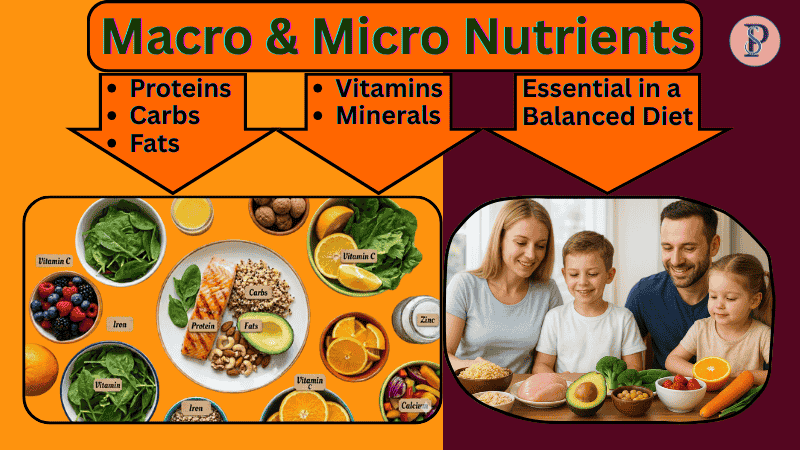
Every meal is an opportunity to fuel your body with what it needs, and understanding macronutrients and micronutrients is key to making those meals count. Think of macronutrients as your main energy sources — the carbs, proteins, and fats that power you throughout the day.
On the other hand, micronutrients are the vitamins and minerals that keep your body running smoothly at a cellular level. Both groups are heroes in a healthy diet, but they play very different roles. Striking the right balance can make a significant difference in how energetic and healthy you feel every day.
In This Article
What Are Macronutrients?
Macronutrients (often called “macros”) are nutrients you need in larger quantities. They provide the calories your body burns for energy. If macronutrients are like the parts of a car, carbs would be the fuel, protein the engine, and fat the oil that keeps everything running smoothly. The main macronutrients include:
About the author

S S Dhar
Writer, Editor, Web & Graphics Designer, Teacher,
Product Researcher & Analyst, Digital Entrepreneur.
Visit His Website ssdhar.com
Take a look at his social media to follow & support
Carbohydrates
Carbs are your body’s favorite fuel. Foods like whole grains, fruits, and veggies are loaded with carbohydrates, which your body breaks down into energy. They also provide fiber, which keeps digestion running smoothly and can help you feel content. Think of carbs as the gasoline for your internal engine — especially the complex carbs like brown rice or quinoa, which release energy slowly and steadily. Most importantly, carbs are the instant energy providers.
Some Sources of Carbs
Carbohydrates come from grains (bread, rice, pasta, oats), starchy vegetables (potatoes, corn, sweet potatoes), fruits (bananas, apples, berries, mangoes), legumes (beans, lentils, peas, chickpeas), dairy (milk, yogurt), and naturally occurring sugars like honey, plus added sugars in processed foods. Healthy sources are complex carbs from whole foods, providing instant energy, fiber, and nutrients, while processed items may offer quick energy but less nutritional value. If not strongly prescribed by a general health practitioner, avoiding processed foods is good for better health.
Proteins
Protein is like the body’s building blocks. Protein is a vital macronutrient, a large molecule made of amino acid chains, essential for building and repairing tissues, making enzymes and hormones, and supporting nearly every bodily function, from structure (muscles, bones, hair) to immunity.
Every time you lift something heavy or recover from a workout, protein plays a primary and essential role in repairing your body. Good sources of protein include lean meats, fish, eggs, dairy, and plant-based options like beans, lentils, tofu, and nuts. Including protein with every meal and snack ensures you have the raw materials to maintain those muscles and support overall health, strength, and immunity.
Fats
Not all fats are created equal. Healthy fats (like those in avocados, nuts, and olive oil) help your brain function and protect your organs. They also help your body absorb vitamins A, D, E, and K. Omega-3 fatty acids (found in salmon, flaxseeds, and walnuts) are especially great for your heart and can reduce inflammation.
On the other hand, you should limit saturated fats (found in foods like butter and fatty meats) and avoid trans fats (in many processed snacks). A little healthy fat goes a long way.
Unhealthy Fats (Saturated & Trans):
Eating too much saturated and trans fats raises “bad” LDL cholesterol, increasing plaque risk. Found in red meat, butter, fried foods, and processed snacks.
Healthy Fats (Unsaturated/Omega-3s):
It helps manage cholesterol levels. Found in fish, nuts, avocados, and olive oil.
LDL (Low-Density Lipoprotein):
It’s a “Bad” cholesterol; it carries cholesterol to cells, but excess deposits plaque in arteries.
HDL (High-Density Lipoprotein):
It’s a “Good” cholesterol; it carries excess cholesterol back to the liver for disposal, protecting your heart.
Health Impact:
It’s High LDL cholesterol leads to plaque buildup (atherosclerosis), narrowing of arteries, and raises the risk of heart attack and stroke.
What Are Micronutrients?
Micronutrients (or “micros”) are vitamins and minerals you need in smaller amounts, but they are just as essential. While they don’t provide energy like calories, they serve as critical helpers and catalysts for countless processes in your body. For example, vitamins and minerals help your body grow, heal, and ward off illness.
Vitamins:
Many vitamins are crucial. For instance, vitamin C (in citrus fruits and bell peppers) helps your immune system and skin. Vitamin D (from sunlight or fortified milk) supports bone health and mood. Vitamin B12 (in meat and fortified cereals) keeps your nerves healthy.
Minerals:
Important minerals include calcium (for strong bones and teeth), iron (for carrying oxygen in your blood), magnesium (for muscle and nerve function), and potassium (for heart and muscle health). Leafy greens, dairy or fortified plant milk, nuts, and whole grains are rich sources.
Micronutrients are like the tech support for your body’s systems. Without enough micros, things can start to break down: low iron can make you feel tired, a lack of vitamin D can weaken bones, and so on.
Why You Need Both Macronutrients and Micronutrients
You might wonder, if micronutrients don’t give energy, why focus on them at all? The answer is balance. Macronutrients supply the energy and raw materials, but micronutrients ensure your body can actually use those materials efficiently.
For example, without vitamin C, your body struggles to absorb iron — and iron is crucial for giving you energy. Or if your diet has plenty of protein but no fiber-rich foods (a type of carb), you might feel sluggish and bloated. Each nutrient depends on the others. Carbs fuel your day, protein rebuilds your muscles, and vitamins/minerals keep your body strong at the cellular level. It’s like a team: everyone has a job, and they work together.
Tips for a Balanced Diet in YOUR MEAL
Here are a few friendly tips to help you keep your macro and micronutrient game on point:
- Eat a Rainbow: Colorful fruits and vegetables are packed with different vitamins and minerals. Aim to fill half your plate with produce — each color gives you unique nutrients (think spinach for iron and vitamin K, carrots for vitamin A, and blueberries for antioxidants).
- Include Protein in Every Meal: Try adding sources like grilled chicken, beans, eggs, or Greek yogurt. It keeps you full and helps maintain muscle. Even breakfast benefits from protein (like eggs or peanut butter) to fuel your morning.
- Choose Whole Grains: Swap white bread, rice, and pasta for their whole-grain versions. Whole grains (brown rice, quinoa, oatmeal) provide complex carbs, fiber, and B vitamins. They help keep your blood sugar steady and give you longer-lasting energy.
- Don’t Skip Meals: When you skip meals, it’s easy to get so hungry that you overeat later. Eating at regular intervals keeps your blood sugar stable and ensures a steady stream of nutrients. Keep healthy snacks on hand (like nuts, fruit, or yogurt) if you get peckish between meals.
- Mind Your Fat: Focus on unsaturated fats. Cooking with olive oil, snacking on a handful of almonds, or adding avocado to a salad gives you good fats plus important vitamins. Limit processed foods high in trans fats or saturated fat.
- Stay Hydrated: Drink water throughout the day. Water is essential for circulation and digestion. Staying hydrated helps all nutrients reach their intended destinations.
In a Nutshell
Understanding macronutrients and micronutrients is like having the playbook for a winning diet. Next time you plan a meal, remember to give equal attention to both. Fill your plate with a balance of carbs, proteins, and healthy fats — and pack in plenty of colorful vegetables and fruits for those vital vitamins and minerals.
Healthy eating isn’t about strict rules; it’s about giving your body what it needs to feel good. Mix it up, try new foods, and enjoy the process of nourishing yourself. After all, a well-fueled body is ready to take on the day!
You may also like
10 Healthy Foods for Glowing Skin: Glow Your Skin Within 90 Days
Vitamin B12 Foods: Natural Sources and Benefits
Weight Loss diet plan with high fiber and protein, 10 super foods in a healthy way.
“Share it & follow PingShopping on social media”
You may also like to explore on:
What Are Macronutrients?
Macronutrients (or “macros”) are nutrients you need in large amounts to fuel your body. They include carbohydrates, proteins, and fats. For example, carbohydrates and proteins each provide 4 calories per gram, while fats provide 9 calories per gram. Bullet list of macro types and roles:
Carbohydrates: Main energy source. Foods like whole grains, fruits, and starchy vegetables. (4 cal/g)
Proteins: Build and repair muscles and tissues. Found in lean meat, fish, eggs, beans, and dairy (4 cal/g).
Fats: Support cell health and nutrient absorption. Sources include avocados, nuts, seeds, and olive oil (9 cal/g).
What Are Micronutrients?
Micronutrients are the vitamins and minerals your body needs in smaller amounts. They don’t supply calories, but they are vital for functions like immune support, bone health, and metabolism. Key examples include:
Vitamins: Such as vitamin C (in citrus fruits), vitamin D (sunlight and fortified foods), and vitamin A (from carrots, sweet potatoes), which support immunity, vision, and cell growth.
Minerals: Such as iron (in spinach, beans), calcium (dairy, leafy greens), and zinc (nuts, legumes), which help carry oxygen in blood, strengthen bones, and boost immune cells.
Why Both Macro and Micro Nutrients Matter?
A healthy diet requires both macros and micros. Getting too little of any macronutrient can cause energy or growth issues, while too much (especially of carbs or fats) can lead to weight gain. For balance, the U.S. Dietary Guidelines recommend roughly 45–65% of calories from carbohydrates, 20–35% from fat, and 10–35% from protein. Meanwhile, eating plenty of fruits, vegetables, and whole grains ensures you get essential vitamins and minerals. In short, balanced macros fuel your body, and micronutrients (from produce and other foods) keep your cells and defenses running smoothly.
You may also like to explore on: