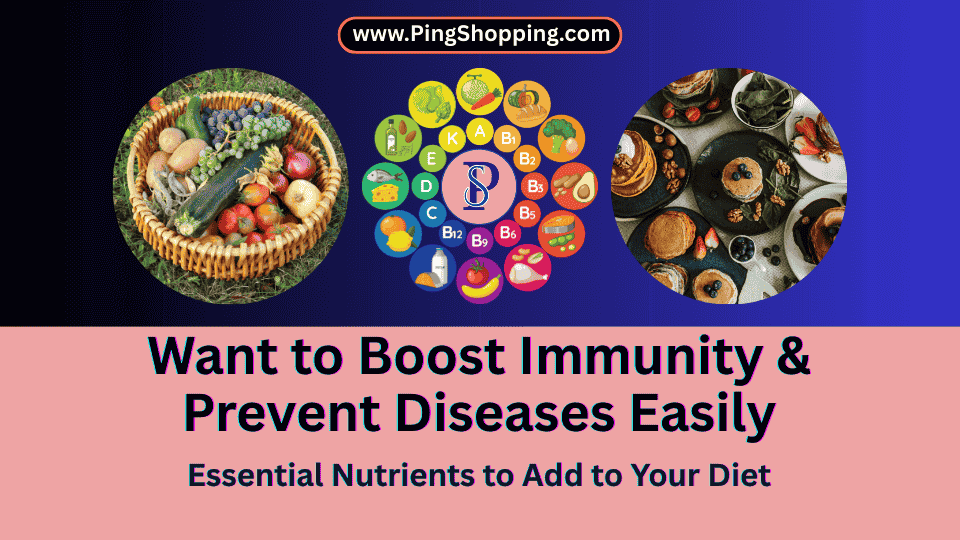
Want to boost immunity and prevent diseases easily. Here is what you will learn about the essential nutrients and your proper balanced diet. You will also learn to believe the proverb “Prevention is better than cure.”
You’ve probably heard the saying “you are what you eat,” and it turns out there’s a lot of truth to that. A balanced diet with rich nutrients can be one of your strongest defenses against chronic illnesses, such as heart disease, obesity, and diabetes. It also keeps your immune system in top shape so you can fight off colds, flu, and everyday germs. By choosing the right foods, you’re not just nourishing your body — you’re arming it to defend itself.
In This Article
Why Nutrition Matters for Your Health
Eating well is about more than just the numbers on the scale. Nutrients from food help every part of your body work properly.
For example, high-fiber foods, such as fruits, vegetables, and whole grains, can help lower cholesterol and promote heart health. Foods rich in healthy fats (like salmon or olive oil) can reduce inflammation and protect your organs.
Cutting back on processed sugars and trans fats is like removing harmful stuff from a car’s engine — everything will run more smoothly. Good nutrition also helps you maintain a healthy weight and reduce chronic inflammation, which is linked to many diseases.
Key Nutrients for Immune Support
Some nutrients are essential for fighting disease and keeping immunity strong: these include some essential vitamins and minerals
Vitamin C:
Citrus fruits, bell peppers, and kiwi are packed with vitamin C. This antioxidant helps protect cells and maintain the health of your skin and immune cells.
Vitamin D:
Found in fatty fish (salmon, tuna), fortified milk, and eggs, vitamin D strengthens your immune response and supports bone health.
Zinc:
A mineral in nuts, seeds, whole grains, and lean meat, zinc helps your body heal wounds and mount immune defenses.
Vitamin A:
Carrots, sweet potatoes, and leafy greens contain vitamin A (beta-carotene), which helps maintain healthy skin and mucous membranes — your first line of defense against infections.
Protein:
Lean protein (chicken, fish, beans) provides amino acids to build antibodies and immune cells. Don’t skip protein at any meal.
Antioxidants:
Beyond vitamins C and E, antioxidants from berries, leafy greens, and spices (like turmeric and ginger) neutralize harmful free radicals, reducing inflammation and cell damage.
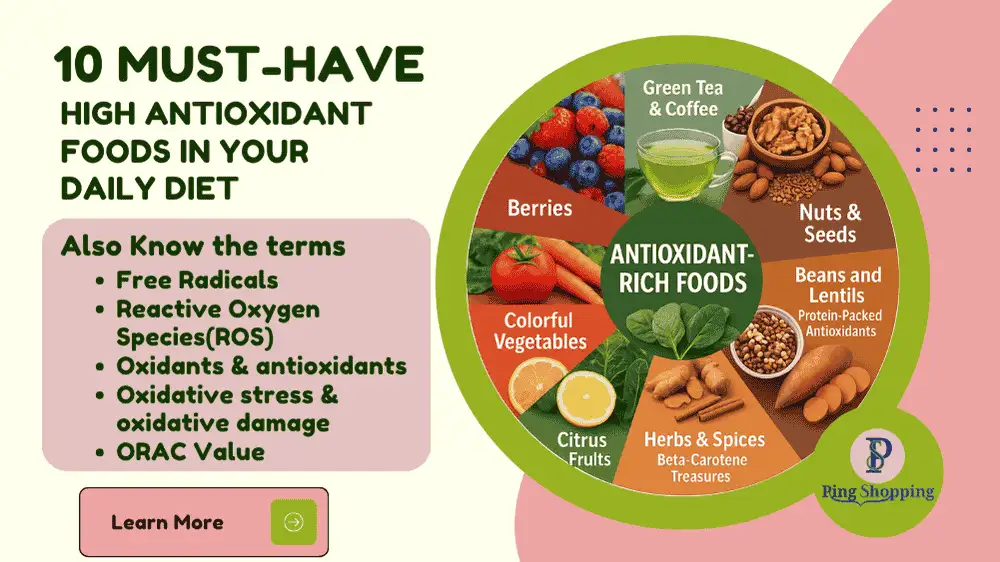
You may also like to learn about antioxidants in detail:
10 must-have daily foods that have high antioxidants
Macronutrients and Micronutrients: Essential Nutrients in a Balanced Diet
Fiber:
Whole grains, fruits, and veggies contain fiber that feeds healthy gut bacteria — and a happy gut helps a strong immune system, too.
Nutrient-Packed Foods to Add to Your Plate
Here are some tasty choices to boost your diet’s disease-fighting power:
Berries:
Blueberries, raspberries, and strawberries are loaded with antioxidants and vitamin C. Toss them in yogurt, oatmeal, or smoothies.
Citrus Fruits:
Oranges, grapefruits, and lemons deliver vitamin C and hydration. A morning glass of citrus juice or a squeeze of lemon on water can be refreshing and healthy.
Leafy Greens:
Spinach, kale, and collard greens bring vitamin A, vitamin C, iron, and fiber to the table. Add them to salads, soups, or omelets.
Nuts and Seeds:
Almonds, walnuts, pumpkin seeds, and sunflower seeds offer vitamin E, zinc, and healthy fats. Sprinkle them on salads or yogurt for extra crunch.
Whole Grains:
Swap white bread for whole wheat, and white rice for brown rice or quinoa. These complex carbs keep energy steady and add B vitamins and minerals.
Garlic and Spices:
Garlic, ginger, and turmeric aren’t just flavorful — they contain compounds that have antiviral and anti-inflammatory properties. Use them liberally in cooking.
Yogurt:
Plain yogurt with live cultures is a probiotic food that supports gut health and immunity. Just skip the sugary versions and add your own fruit or honey if you want sweetness.
Lean Proteins:
Skinless chicken, turkey, fish, beans, and lentils all provide protein and immune-supporting minerals without extra saturated fat.
Easy Health Swaps
- Add berries to your morning cereal instead of sugar or syrup.
- Swap a sugary soda for water or herbal tea (flavored with lemon or mint).
- Replace chips or fries with carrot sticks, apple slices, or a handful of nuts.
- Use herbs and spices (like garlic or cumin) for flavor instead of extra salt or butter.
These small swaps can make a significant difference over time by boosting nutrients and reducing empty calories.
Key Steps in Your Fingertips
Nutrition isn’t a magic cure-all, but filling your plate with whole, colorful foods puts you in control of your health. You don’t have to be perfect — small, consistent changes matter. Each healthy choice, no matter how small (like choosing an apple over chips or a brisk walk instead of a short break), adds up to a stronger you in the long run. Make it fun by trying a new recipe or experimenting with a spice you’ve never used before. Your body will thank you!
PingShopping’s Quote for You
“Choose Wisely, Eat Consistently, Stay Healthy, Enjoy Life, & Live Longer.”
Explore more on the related categories:
You may also like to explore the categories below:
.
Your Most FAQs
What foods help the immune system the most?
Fruits like oranges and papayas, vegetables like spinach and broccoli, and foods rich in zinc, vitamin C, and probiotics give your immune system a natural boost.
Can certain nutrients really help prevent illness?
Yes. Nutrients like vitamin C, vitamin D, and zinc help your body fight infections, support white blood cells, and reduce inflammation—making illness less likely.
How does vitamin C protect the body?
Vitamin C supports immune cell function and helps repair tissues. It also acts as an antioxidant, protecting the body from damage and infection.
Is zinc important for everyday immunity?
Definitely. Zinc helps your body build immune cells and speeds up healing. It’s found in seeds, legumes, seafood, and dairy.
Should I take supplements or just eat healthy?
Food should come first. A varied diet full of whole foods gives your body what it needs. Supplements can help if you’re low on specific nutrients, but they’re not a replacement for real food.