Fruits are nature’s candy, a variety of colorful spots on their skin attract our attention to catch, feel sweetness, fall in love, and eat them — they are satisfying and packed with multi-nutrients, multi-vitamins, and multi-minerals. They are also rich in antioxidants that support your overall health.
Whether you’re 20 or 50, adding fruits to your diet can boost your immune system, keep your heart healthy, aid digestion, and even give you an energy booster feeling.
In This Article
The best part of having fruits in every plate is that most fruits also have few calories per serving, so you get a lot of goodness for relatively few calories.
PingShopping’s Quote for You
“Choose Wisely, Eat Consistently, Stay Healthy, Enjoy Life, & Live Longer.”
About the author

S S Dhar
Writer, Editor, Web & Graphics Designer, Teacher,
Product Researcher & Analyst, Digital Entrepreneur.
Visit His Website ssdhar.com
Take a look at his social media to follow & support
Why Fruits Should Be on Every Diet Plate
When you think of healthy eating, fruits should be near the top of the list. Here’s why:
Vitamins and Antioxidants
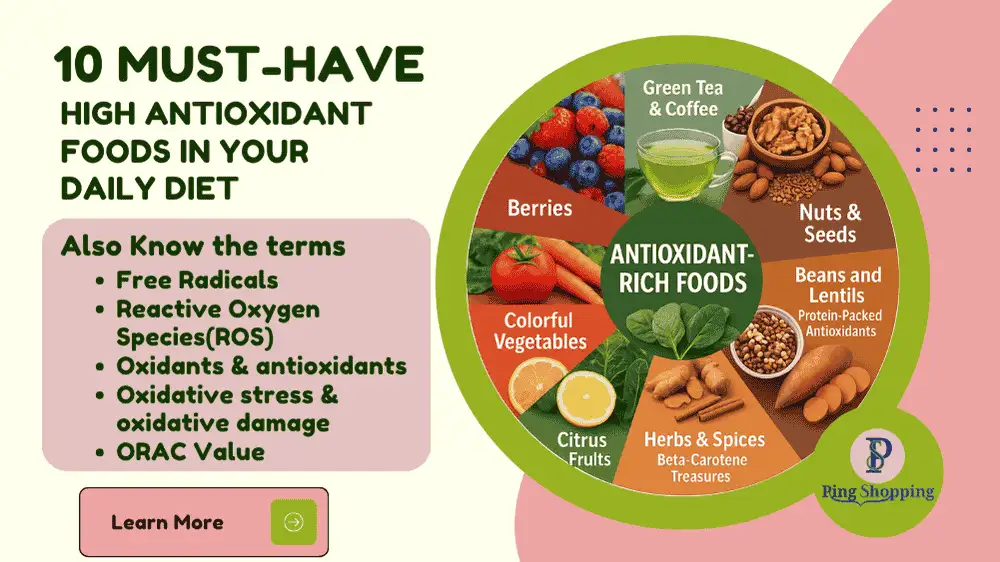
Fruits like berries and citrus are packed with vitamin C and other antioxidants. These nutrients help protect your cells from damage (free radicals) and keep your immune system strong.
Fiber for Digestion
Fruits contain dietary fiber, which feeds the good bacteria in your gut and helps prevent constipation. A fiber-rich fruit (like an apple with the skin on) slows down sugar absorption, too, which keeps your blood sugar steady and your appetite in check.
Hydration
Many fruits have high water content. Watermelon, oranges, and peaches are mostly water, helping you stay hydrated. Eating fruit is a tasty way to boost hydration without chugging plain water all day.
Natural Energy
The natural sugars in fruit are easily digested, providing quick energy. Banana and mango, for instance, give you a carb boost that can fuel a workout or give you a mid-afternoon lift.
Heart Health
Potassium(K)-rich fruits like bananas and oranges help regulate blood pressure. Fruits with healthy fats (like avocado, which is actually a fruit) provide nutrients that can improve cholesterol levels and protect your heart.
Putting it simply, fruits provide a one-two punch: they taste great and also deliver key nutrients that keep your body humming.
.
- Chatting AI vs Killing AI: How OpenClaw’s Clawdbot and Moltbot Are Changing Online Conversations
- Yoga for Beginners: Best Journey into the Ancient Practice and the Transformational Benefits of Yoga
- The Vitamin B12 Dilemma: How to Get Enough, Naturally
- The Truth About Vitamin B12: Top Natural Sources You Need to Know
- The Sneaky Truth About Vitamin B12 (And Where to Actually Find It)
Top Nutrient-Rich Fruits to Try to Put in Every Plate
Here are some top picks for fruits loaded with nutrients:
Berries
Blueberries, strawberries, raspberries, and blackberries are small but mighty. They’re bursting with vitamin C, fiber, and antioxidants called anthocyanins (those give them their rich color). These compounds have been shown to help memory, heart health, and blood sugar control. Add them to yogurt, oatmeal, or just grab a handful for a sweet snack.
Citrus Fruits
Oranges, grapefruits, lemons, and limes are famous for vitamin C. Oranges also give you fiber and potassium. The tangy flavor can make any drink or dish lively — try squeezing lemon on grilled vegetables or mixing grapefruit slices into salads.
Tropical Fruits
Mangoes, papayas, pineapples, and kiwis are exotic in flavor and nutrition. Mangoes and papayas are rich in vitamins A and C, which support vision and immunity. Pineapple has a digestive enzyme called bromelain. Kiwi is a vitamin C superstar (even more than an orange!) and also provides potassium and fiber.
Apples and Pears
These common favorites are high in fiber, especially if you eat the skin. They give vitamin C and plant compounds (polyphenols) that have heart-protective effects. Crunchy snacks like a crisp apple or juicy pear can satisfy your sweet tooth.
Bananas
Bananas are known for potassium (key for blood pressure and muscle function) and also provide vitamin B6 and fiber. They make a great on-the-go snack or can be mashed into oatmeal or a smoothie for natural sweetness and energy.
Other Top Picks
Don’t forget fruits like cherries (antioxidants for the heart and better sleep), grapes (resveratrol for heart health), pomegranates (tons of antioxidants in the seeds), and avocados (creamy and full of heart-healthy monounsaturated fats, plus fiber and potassium).
You may also like
Want to Boost Immunity and Prevent Diseases: This Article for You
Broccoli Protein Content: Is It Really a Good Protein Source?
Macronutrients and Micronutrients: Essential Nutrients in a Balanced Diet
.
Sneaky Ways to Eat More Fruits
Looking for easy ways to get more fruit into your day? Try these ideas:
- Smoothies: Blend a mix of fruits (e.g., banana, berries, and a splash of juice or milk) for a quick breakfast or snack. Add a handful of spinach or kale — you won’t taste it, but you’ll boost nutrients!
- Fruit in Unusual Places: Top your pizza or salad with pineapple or sliced apples. Add berries to your cereal or salad. Fruit can pair well with many dishes in surprising ways.
- Swap Desserts: When you crave dessert, reach for a baked apple with cinnamon, frozen grapes, or a fruit salad topped with a dollop of yogurt. It satisfies the sweet craving and gives you nutrition.
- Prep Ahead: Wash and slice fruit when you get home from the store. Pack a container of mixed fruit for easy snacking at work or home.
- Fruit Snacks: Keep dried fruits (with no added sugar) like raisins, apricots, or apple chips handy in small portions. Just remember, dried fruit is more calorie-dense, so enjoy it in moderation.
- Freeze It: Keep sliced bananas or grapes in the freezer. Frozen fruit is a healthy alternative to popsicles, making your smoothies extra creamy.
- Pair with Protein or Fat: Combine fruits with a protein or healthy fat source (like Greek yogurt, nut butter, or cheese). This adds staying power to your snack and helps balance your blood sugar.
Your Choice, You Define Your Health
Fruits are a simple yet effective way to boost your nutrition with minimal effort. There’s a rainbow of fruits out there, so try adding a new one to your diet each week. Whether you eat them fresh, frozen, or mixed into recipes, you’ll be giving your body vitamins, fiber, antioxidants, and other nutrients it loves.
“Whether we bite fruits or drink their juice,
For our health all life long, we wish.”
Fruits are purely veg, and they fill every organ of our body with rich elements for overall health, and finally, they also play a significant role in keeping our consciousness pure, healthy, and strong. You’ll feel the difference in your energy levels and confidence.
Which are the most antioxidant-rich fruits?
The most antioxidant-rich fruits are primarily berries (blueberries, cranberries, blackberries, raspberries, strawberries) and deep-colored fruits like pomegranates, cherries, plums, and red grapes, packed with anthocyanins, polyphenols, and Vitamin C to fight free radicals, reduce inflammation, and support heart/brain health.
What are citrus fruits?
The most popular citrus fruits are oranges, lemons, limes, grapefruits, mandarins, and pomelos. They are rich in vitamin C (Ascorbic Acid) and prevent the disease called Scurvy. Citrus fruits are usually sour in taste.
Fruits for better digestion?
Fiber-rich fruits are better for digestion, such as apples, pears, berries (raspberries, blueberries), papaya, bananas, pineapple, watermelon, etc. Fruits contain dietary fiber, which feeds the good bacteria in your gut and helps prevent constipation.
“If you like, please share it”
.


Follow us || Proudly powered by PingShopping