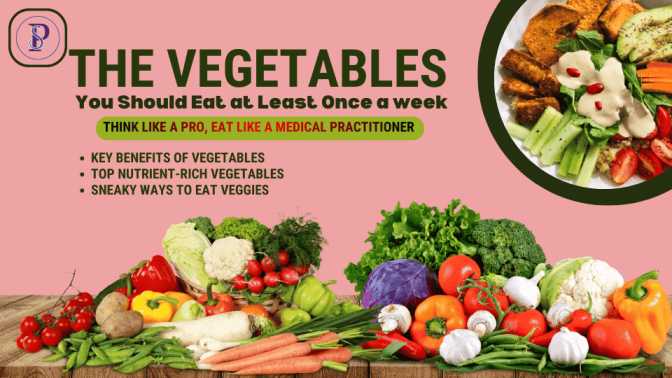
Vegetables are the storehouse of vitamins, minerals, fiber, and antioxidants. Vegetables are generally low in calories and high in nutrients, which means you can eat satisfying portions without overdoing it on calories. Whether you prefer crunchy raw veggies, creamy soups, or veggie-packed stir-fries, getting enough vegetables is key to feeling your best at any age.
Eating veggies regularly or every other day boosts immunity, energy, confidence, and mood for overall health and well-being. Some vegetables might be expensive for low-income families to put on their plates every day; in this case, you may consider such vegetables at least once a week while keeping others regularly.
In This Article
PingShopping’s Quote for You
“Choose Wisely, Eat Consistently, Stay Healthy, Enjoy Life, & Live Longer.”
About the author

S S Dhar
Writer, Editor, Web & Graphics Designer, Teacher,
Product Researcher & Analyst, Digital Entrepreneur.
Visit His Website ssdhar.com
Take a look at his social media to follow & support
.
- Chatting AI vs Killing AI: How OpenClaw’s Clawdbot and Moltbot Are Changing Online Conversations
- Yoga for Beginners: Best Journey into the Ancient Practice and the Transformational Benefits of Yoga
- The Vitamin B12 Dilemma: How to Get Enough, Naturally
- The Truth About Vitamin B12: Top Natural Sources You Need to Know
- The Sneaky Truth About Vitamin B12 (And Where to Actually Find It)
Key Benefits of Vegetables for a Healthy Life
Vegetables offer a wide range of benefits:
Vitamins and Minerals
Different veggies bring different vitamins. For example, leafy greens (like spinach and kale) give you vitamin A (for vision), vitamin C, vitamin K (for blood and bones), and folate. Red peppers and carrots give you extra vitamin A and antioxidants. Minerals like potassium (in potatoes and squash) help keep blood pressure in check.
Fiber and Digestion
Many vegetables (broccoli, Brussels sprouts, sweet potatoes) are high in fiber. Fiber keeps your digestion regular and helps you feel full. It also feeds the good bacteria in your gut, which can help your immune system. Fiber-rich vegetables are very important to have on your plate to get rid of constipation easily.
Antioxidants and Phytonutrients
Veggies like tomatoes and beets have compounds (like lycopene in tomatoes) that protect your cells from damage. The sulfur compounds in garlic and onions can boost immunity. These phytonutrients might reduce inflammation and lower disease risk.
Low in Calories, High in Satiety
Because they contain water and fiber, vegetables can bulk up meals without adding many calories. Filling half your plate with veggies at dinner can help you eat less of less-healthy foods while still feeling satisfied.
Disease Prevention
Eating a variety of vegetables is linked to a lower risk of many chronic diseases, including heart disease, diabetes, and certain cancers. For example, cruciferous vegetables (like broccoli and cabbage) have been studied for their potential to prevent cancer.
Top Nutrient-Rich Vegetables You Should Eat
Here are some nutrient-packed veggies to include in your diet if you are health-conscious:
Leafy Greens
Spinach, kale, Swiss chard, and collard greens are loaded with vitamins A, C, and K, as well as minerals like iron and calcium. One cup of cooked spinach gives you more iron than a small serving of meat, and as much potassium as a banana. These greens also have fiber for digestion and magnesium for muscle and nerve health.
Cruciferous Vegetables
Broccoli, Brussels sprouts, cabbage, and cauliflower belong to the crucifer family. They are known for a special compound called sulforaphane and lots of vitamins C and K. For example, just one serving of broccoli has more vitamin C than an orange. These veggies support detoxification and may protect against cancer.
Colorful Veggies
Carrots, red and yellow bell peppers, and tomatoes add color (and nutrients) to your plate. Carrots and sweet potatoes are packed with beta-carotene (vitamin A), which is great for your eyes and immune system. Bell peppers and tomatoes are rich in vitamin C and antioxidants like lycopene, which is linked to heart health.
Allium Vegetables
Garlic, onions, shallots, and leeks are in the allium family. They have sulfur compounds (like allicin in garlic) that give them immune-boosting and anti-inflammatory properties. A clove of garlic here and there can add flavor and health perks — studies show garlic can even help regulate blood pressure.
Root Vegetables
Sweet potatoes, beets, and turnips are hearty and nutritious. Sweet potatoes are high in vitamins A and C, and fiber. Beets have nitrates that can improve blood flow and stamina. Roasting or steaming these roots brings out their natural sweetness while keeping their nutrients intact.
Mushrooms
Technically not plants, but mushrooms act like veggies in many diets. Mushrooms (like shiitake and portobello) contain B vitamins, vitamin D (when exposed to sunlight), and selenium. They also have immune-supporting compounds like beta-glucans. Try adding them to soups or sautés for a meaty texture and extra health boost.
You may also like
Top Nutrient-Rich Fruits for Health and Well-Being
Want to Boost Immunity and Prevent Diseases: This Article for You
Broccoli Protein Content: Is It Really a Good Protein Source?
Macronutrients and Micronutrients: Essential Nutrients in a Balanced Diet
Sneaky Ways to Eat More Vegetables
Here are some easy tricks to sneak veggies into your meals. You can try them in different ways:
- Blend Them: Throw spinach or carrots into smoothies or pureed soups. You won’t taste them, but you’ll get the nutrients.
- Sneak in Sauces: Blend cooked cauliflower or pumpkin into sauces, macaroni and cheese, or pasta sauces. It adds creaminess (and nutrients) without changing the flavor much.
- Veggie Swaps: Use lettuce leaves or cabbage to wrap fillings instead of bread. Try zucchini noodles (“zoodles”) or spaghetti squash in place of pasta. Mash cauliflower instead of potatoes for lower-carb mashed “potatoes”.
- Add to Every Dish: Stir diced bell peppers or onions into scrambled eggs. Top your pizza with extra veggies, or add a handful of veggies (like tomatoes, mushrooms, or spinach) to your omelet.
- Roast or Grill: Roasting veggies brings out their natural sweetness. Try roasting broccoli, carrots, or sweet potatoes with a little olive oil and seasoning for a tasty side dish. Grilled veggies like zucchini and peppers also make great additions to any meal.
- Veggie Snacks: Keep pre-cut vegetables (like carrot sticks, cucumber slices, or snap peas) in the fridge. Having them ready to grab makes it easier to snack on veggies (with hummus or yogurt dip) instead of chips or candy.
.
Think Like a Pro, Eat Like a Medical Practitioner
Eating vegetables half-fried or full-fried, half-boiled or full-boiled, or in sneaky ways will significantly boost your immune system, your overall health, and well-being.
Think of your plate as a canvas — the more colorful vegetables you add to your plate, the more nutrients you’re getting, the healthier and stronger immune-fighter you become.
Start with one extra veggie each day — maybe baby carrots with lunch or a side salad with dinner. Before you know it, healthy eating will become second nature.
Your body will thank you with more energy, better digestion, and a healthier you!
How many days should I eat vegetables every week?
One must eat vegetables at least 5 days every week, but it’s strongly recommended to eat at least 3-4 vegetables in combination every day. Vegetables add vital values to our body, health, and longevity because of the sufficient presence of nutrients, minerals, and antioxidants.
Top vegetables for cardiovascular health?
There are a variety of vegetables for better heart health, including colorful vegetables
Dark Leafy Greens: Spinach, Kale, Collards, Swiss Chard, Arugula – good for vascular health and improving blood flow, and reducing blood pressure.
Red & Orange Vegetables: Carrots, Tomatoes, Sweet Potatoes, Bell Peppers – for supporting the function of the heart properly.
Cruciferous Vegetables: Broccoli, Cauliflower, Brussels Sprouts, Cabbage – contain high antioxidants that fight inflammation.
Legumes: Beans, Lentils, Chickpeas, Edamame – help control blood pressure and cholesterol.
Root Vegetables: Beets, Garlic, Onions – beneficial for healthy arteries
Which vegetables should be avoided for heart health?
Fried Vegetables: Deep-fried items like French fries, onion rings, or fried potato wedges add unhealthy fats and calories, which may seriously concern heart health.
Creamy/Cheesy Versions of vegetables that are smothered in creamy sauces, cheese, or butter increase saturated fat intake.
High-Sodium Canned Veggies breaded Vegetables
“If you like, please share it”
.


Follow us || Proudly powered by PingShopping