
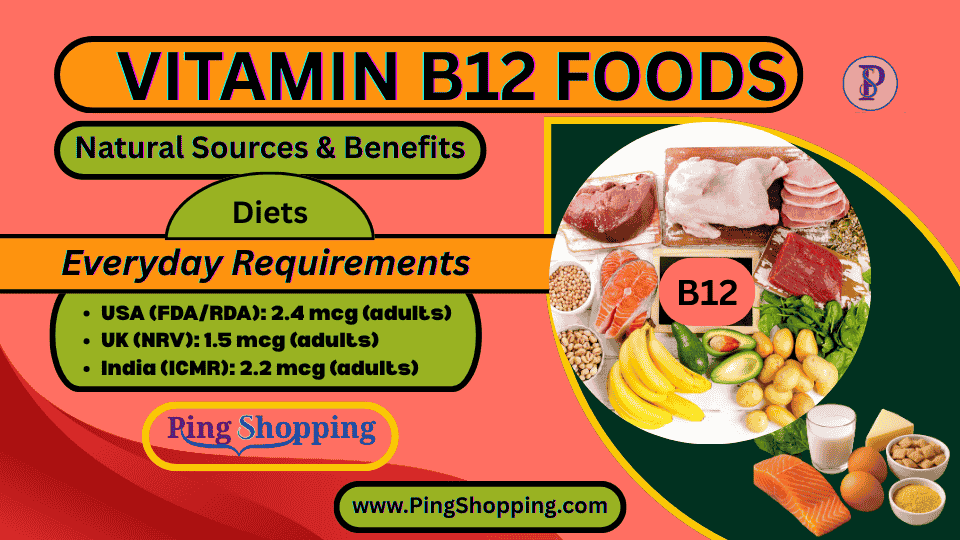
Vitamin B12 foods – the natural sources of vitamin B12 – are essential to a healthy diet. These foods, rich in vitamin B12, support energy production, brain function, and red blood cell formation. In this comprehensive guide, we explore the top vitamin B12-rich foods (from animal sources like salmon and eggs to fortified plant-based options), the health benefits of B12, and how much you need daily. Whether you eat meat or follow a vegetarian or vegan diet, you’ll learn where to find this crucial nutrient and why it matters for your overall health and wellness.
In This Article
What Is Vitamin B12 and Why Your Body Needs It
Vitamin B12 (cobalamin) is a water-soluble vitamin that the body cannot make on its own – it must come from food or supplements. It plays vital roles in DNA synthesis, nerve function, and red blood cell production. Specifically, B12 is required for normal development and maintenance of the central nervous system, the formation of healthy red blood cells, and the synthesis of DNA. These functions are critical: without enough B12, the body cannot efficiently create the cells and molecules it needs.
A deficiency in vitamin B12 can lead to megaloblastic anemia (abnormally large red blood cells) and neurological problems like numbness, balance issues, and cognitive impairments. In severe cases, a lack of B12 can even cause psychological symptoms such as depression or memory loss. Because B12 is stored in the liver and used over time, deficiency symptoms often develop slowly. That’s why getting regular, adequate intake from foods or supplements is so important – especially since B12 supports many “bottom-line” aspects of health like energy and brain function.
Best Vitamin B12 Foods (Animal-Based Sources)
Vitamin B12 is naturally found almost exclusively in animal-derived foods. The richest sources are meats, seafood, dairy, and eggs. If you eat an omnivorous diet, including these foods regularly will help you meet your B12 needs easily.
- Meat (Beef, Lamb, Pork, Organ Meats)
- Red meats are high in vitamin B12. A prime example is beef liver – just a 3-ounce serving of cooked beef liver provides about 70.7 micrograms of B12 (nearly 3,000% of the daily value!). Other organ meats are also loaded with B12. Even lean ground beef (3 ounces) contains around 2.4 micrograms (100% DV) of B12. Pork and lamb offer similar amounts. Including a serving of red meat a few times a week can supply much of your B12 needs.
- Fish and Seafood
- Many types of fish and shellfish are excellent B12 sources. For example, salmon (Atlantic, 3 ounces cooked) has about 2.6 micrograms of B12, and canned tuna (light, in water, 3 ounces) has about 2.5 micrograms. Fatty fish like mackerel and sardines are also very high in B12. Among shellfish, clams and oysters stand out: a 3-ounce serving of cooked clams provides around 17.0 micrograms (708% DV), and oysters about 14.9 micrograms (621% DV). Shrimp, crab, and lobster contain smaller amounts but can still contribute to overall B12 intake.
- Poultry and Fish (Chicken, Turkey)
- Chicken and turkey have modest B12 amounts, but less than red meat or seafood. For example, roasted turkey breast (3 ounces) contains about 0.3 micrograms of B12. Poultry can supplement your B12 intake, but it should be combined with other sources if you rely on it for vitamin B12.
- Dairy Products (Milk, Cheese, Yogurt)
- Dairy foods are good sources of vitamin B12 for those who consume them. One cup of 2% milk has about 1.3 micrograms (54% DV) of B12. An 8-ounce container of plain yogurt contains around 1.0 microgram (43% DV). Cheeses also contribute: for example, 1.5 ounces of cheddar cheese has roughly 0.5 micrograms (19% DV). Including a glass of milk or serving of cheese daily provides a useful B12 boost.
- Eggs
- Whole eggs are a convenient B12 source. A large cooked egg has about 0.5 micrograms of vitamin B12 (19% DV), mostly in the yolk. While not as rich as meat or fish, eggs can add up – especially for vegetarians who eat them. Incorporating eggs into omelets, salads, or breakfasts helps increase B12 intake in an accessible way.
Altogether, animal-based foods are the most reliable natural sources of vitamin B12. As the NIH notes, “Vitamin B12 is present in foods of animal origin, including fish, meat, poultry, eggs, and dairy products”. For people who include these foods in their diet, meeting the recommended B12 intake is usually straightforward.
Related Articles You May Love
Plant-Based & Fortified Sources of Vitamin B12 (Vegan/Vegetarian Friendly)
For strict vegetarians and vegans, finding enough vitamin B12 can be challenging because plant foods do not naturally contain B12. However, there are some plant-based and fortified foods that supply B12:
- Fortified Breakfast Cereals: Many cereals are fortified with B12 and other vitamins. Check labels – typical fortified cereals can provide 25% to 100% of the daily value per serving. According to the FDA, a serving of cereal with 25% DV has about 0.6 mcg. Some high-fortification cereals (like certain bran cereals) can have 1.5 to 6 micrograms or more per serving. Eating a fortified cereal with breakfast (often with fortified plant milk) is one of the easiest ways vegans and vegetarians can get B12.
- Nutritional Yeast: Nutritional yeast flakes or powders are sold as supplements or food ingredients and are often fortified with vitamin B12. A quarter-cup serving of fortified nutritional yeast can contain anywhere from 8.3 to 24 micrograms of B12, making it an exceptionally rich source if it’s a fortified brand. Sprinkle it on popcorn, pasta, or salads to boost B12 in a vegan diet.
- Fortified Plant Milks and Soy Products: Some non-dairy milks (soy, almond, oat, etc.) are fortified with vitamin B12 (and often calcium and vitamin D). Similarly, some tofu and other soy products may be fortified. Always check packaging: many plant milks provide 25–50% of DV of B12 per cup.
- Marmite and Yeast Spreads: Vegemite, Marmite, and similar yeast spreads may contain B12 due to yeast fermentation. For example, a typical serving of Marmite can have around 1–2 micrograms of B12.
- Supplements: Vitamin B12 supplements (cyanocobalamin or methylcobalamin) are a reliable source for vegetarians. While not a “food,” B12 is frequently taken in supplement form to ensure adequacy.
As NIH researchers emphasize, “Plant foods do not naturally contain vitamin B12. However, fortified breakfast cereals and fortified nutritional yeasts are readily available sources of vitamin B12 that have high bioavailability”. In fact, for anyone avoiding animal products, consuming these fortified foods or taking a supplement is crucial. The NIH fact sheet notes that vegetarian and vegan diets have a higher risk of B12 deficiency unless fortified foods or supplements are included.
In summary, while no fruits or vegetables provide B12 on their own, a plant-based diet can still meet needs through fortified foods. Popular vegan sources include fortified cereals, nutritional yeast, plant milks, and fortified meat substitutes. Incorporating these regularly (and possibly taking a B12 supplement) helps vegetarians and vegans maintain healthy B12 levels.
Health Benefits of Vitamin B12
Vitamin B12 supports many aspects of health. When you get enough B12 from foods or supplements, you help your body with:
Energy Production & Metabolism: Vitamin B12 plays a key role in converting nutrients (carbohydrates and fats) into energy. It is involved in metabolic reactions that release energy from food. Although B12 itself isn’t a stimulant, adequate B12 prevents the fatigue associated with deficiency. (Studies show that supplementing with B12 only boosts energy if you were deficient to begin with.) In everyday terms, having enough B12 helps your metabolism run smoothly and keeps fatigue at bay.
Brain and Nervous System Health: B12 is essential for the nervous system. It’s needed to form the myelin sheath that insulates nerves and ensures proper nerve signaling. Adequate B12 supports cognitive function, memory, and mood. According to the Cleveland Clinic, one of B12’s main benefits is healthy brain function; deficiency can impair memory and thinking. NIH researchers note that B12 is required for the development and function of the central nervous system. In older adults, especially, sufficient B12 may help prevent cognitive decline and dementia.
Red Blood Cell Formation: One of the classic roles of B12 is helping the bone marrow make red blood cells. B12 is necessary for proper DNA synthesis in red blood cells, so that they form correctly and aren’t abnormally large. As the Cleveland Clinic explains, B12 “provides production of red blood cells”. Healthy red blood cells carry oxygen throughout the body; without enough B12, cells become megaloblastic (too large) and lead to anemia. By ensuring normal red blood cell production, B12 keeps you from getting deficient anemic symptoms like weakness, shortness of breath, or paleness.
Mood and Mental Health: Vitamin B12 influences mood regulation and mental well-being. B12 deficiency has been linked to depression, irritability, and cognitive changes. For example, Harvard Health reports that severe B12 deficiency “can lead to deep depression” and other neurological issues. While occasional or mild deficiency might subtly affect mood or energy, a sustained low B12 status can cause significant mood disturbances. Ensuring enough B12 supports normal psychological function and may help stabilize mood.
Metabolism and DNA Synthesis: On a molecular level, B12 is a cofactor in DNA and amino acid metabolism. It helps convert homocysteine to methionine (a key step for DNA and neurotransmitter synthesis) and assists in breaking down fatty acids and certain amino acids for fuel. In short, B12 is part of many biochemical pathways, including those that regulate metabolism and genetic replication. This is why NIH notes B12 is essential for DNA synthesis and why low B12 can harm rapidly dividing cells (like blood cells and intestinal lining cells).
In combination, these roles mean vitamin B12 contributes to higher energy levels, sharper brain and nerve function, healthier blood, and better overall metabolism. As one expert summary puts it: B12 “supports energy release, reduces tiredness and fatigue, and contributes to the normal function of the nervous system and psychological function”. In practice, people with adequate B12 often feel more energetic and mentally clear than those who are deficient.
Omnivorous vs. Vegetarian Diets for Vitamin B12
Different diets supply vitamin B12 in different ways. The table below highlights how omnivorous and plant-based diets compare:
| Omnivore (meat-eating) | Meat (especially liver, beef, pork); fish and seafood; poultry; eggs; dairy (milk, cheese, yogurt). | Typically none needed if diet is varied. | Low – most B12 needs met by diet. |
| Vegetarian (eggs & dairy) | Eggs, milk, cheese, yogurt; some fortified cereals or soy products. | Fortified cereals, nutritional yeast, vitamin supplements. | Moderate – usually adequate with dairy/eggs, but supplement or fortified foods often used. |
| Vegan (no animal foods) | No natural sources of B12. | Fortified foods (cereals, plant milks), nutritional yeast; B12 supplements almost required. | High – risk of deficiency without supplements. |
This comparison makes clear that only omnivorous diets naturally provide plenty of B12. Vegetarians (who include dairy and/or eggs) rely on those foods for B12, and may need fortified foods or supplements to be safe. Vegans, who consume no animal products, have essentially no natural B12 intake – they must get B12 from fortified foods or supplements. As the NIH fact sheet explains, “Vegans who consume no animal products and vegetarians who consume some animal products…have a higher risk of developing vitamin B12 deficiency because natural food sources of vitamin B12 are limited to animal foods”.
Studies confirm this: vegans who skip fortified foods often develop a deficiency, whereas including fortified cereals or taking a supplement “can substantially reduce the risk”. In practice, many vegetarians use a weekly B12 supplement or make sure to eat fortified cereal regularly to avoid any shortfall. Omnivores generally do not need supplements, unless they have an absorption issue.
Global Deficiency Trends
Vitamin B12 deficiency is surprisingly common worldwide, especially in certain regions and populations. Global prevalence varies by diet, age, and health conditions. In Western countries where animal foods are widely consumed, overt B12 deficiency is relatively uncommon in the general population. For example, U.S. national data (NHANES 2007–2018) found that about 3.6% of adults have levels indicating deficiency. The rate is slightly higher in older adults (around 12.5% of older adults were below the insufficiency cutoff). In the UK and other developed countries, deficiency rates are on a similar order (around 3–6% of adults).
By contrast, in countries where vegetarian diets are more prevalent or socioeconomic factors limit animal-food intake, B12 deficiency is much more common. In India, for instance, studies consistently show very high deficiency rates. One review notes 47% prevalence of B12 deficiency in an Indian population study; other Indian studies range from 16% to 77% depending on the group. A meta-analysis reported that nearly half to three-quarters of pregnant women in India were B12-deficient. Thus, South Asia sees a B12 “endemic” largely due to diets low in animal foods.
Global data dashboards estimate that large portions of populations (especially in Asia and Africa) do not get enough dietary B12. Older adults everywhere are at higher risk: up to 40% of Western elderly have marginal B12 status. Overall, the highest deficiency prevalences are found in:
- South Asian countries (India, Pakistan, Bangladesh) – often 30–70% of the population.
- Developing countries in Africa and Latin America with low meat consumption.
- Elderly individuals worldwide, due to decreased absorption.
- Vegetarians/vegans globally, in any country.
These trends underscore that the lack of vitamin B12 is a global health issue. The contrast is stark: while only ~3% of Americans lack B12, almost 50% or more of Indians may be B12-deficient. Public health experts use charts and surveys to track this. For example, the Food System Data dashboards model shows that a significant percentage of populations in India and Africa have inadequate B12 intake from their diet.
In summary, deficiency rates are low in meat-eating Western countries (~3–6% of adults) but much higher in regions with largely plant-based diets or limited resources. Globally, it is estimated that up to 15% of the world’s population may have a true B12 deficiency (and far more with low levels), highlighting the need for awareness and supplementation strategies in vulnerable groups.
How Much Vitamin B12 Do You Need?
Daily vitamin B12 needs vary slightly by age and life stage, but guidelines are fairly consistent across countries.
- U.S. FDA Daily Value: In the United States, the Food and Drug Administration (FDA) sets the Daily Value (DV) for vitamin B12 at 2.4 micrograms for adults and children 4 years and older. This is the amount used for labeling purposes and is based on the Recommended Dietary Allowances (RDAs) of the U.S. National Academies.
- U.S. RDA (DRI): The U.S. Institute of Medicine’s RDA (Dietary Reference Intake) for adults is also 2.4 mcg/day. For pregnant and breastfeeding women, the RDA increases to about 2.6–2.8 mcg/day to support fetal growth and milk production.
- UK (NHS) Guidelines: In the United Kingdom, the official reference intake (RI/NRV) for vitamin B12 is slightly lower. Adults (19–64 years) need about 1.5 micrograms per day (100% NRV). This reflects population-based estimates that assume some extra dietary margins. Older adults (65+) may also be recommended at least this much, although absorption can drop with age.
- ICMR (India) RDA: The Indian Council of Medical Research (ICMR) recommends about 2.2 micrograms per day for adult men and women (a recent update reduced the previous RDA from 2.5 to 2.2 mcg). This aligns roughly with the U.S. intake, reflecting the importance of meeting needs in a largely vegetarian population.
- Children and Infants: Younger children need less. For example, infants require only 0.4–0.5 mcg, toddlers around 1.2 mcg, and adolescents 1.8–2.4 mcg per day. But for simplicity, most adults should aim for ~2.4 mcg daily.
In short, the consensus is ~1.5–2.5 micrograms of B12 per day for adults, depending on the country. Table of guidelines:
- USA (FDA/RDA): 2.4 mcg (adults).
- UK (NRV): 1.5 mcg (adults).
- India (ICMR): 2.2 mcg (adults).
Most people can meet these amounts by including rich B12 foods in their diet. For example, one serving of salmon plus a glass of milk and an egg easily exceeds the RDA. Those unable to eat animal foods may need fortified foods or a supplement to reach the recommended intake levels.
2 Recommended Amazon Affiliate Products
Methylcobalamin Vitamin B12 Supplement: A high-quality B12 supplement (often as methylcobalamin) can help ensure daily needs are met, especially for those on restricted diets. For example, a 1000 mcg methylcobalamin tablet (such as from reputable brands like NOW Foods, Jarrow, or Nature’s Bounty) can provide an easy, once-daily boost. Methylcobalamin is the biologically active form of vitamin B12 that the body utilizes directly. Taking a low-dose daily tablet (in addition to food) or a high-dose weekly dose can rapidly correct low B12 levels.

Nutritional Yeast (Fortified): Nutritional yeast flakes (like Bragg Nutritional Yeast or Bob’s Red Mill Nutritional Yeast) are a popular B12-fortified food for vegans. A couple of tablespoons added to meals (popcorn, pasta, soups) can deliver a significant portion of your daily B12 requirement. Check the label to ensure it’s fortified (most are), providing about 100% DV per serving (roughly 2–4 micrograms). These products also add a cheesy flavor and provide extra protein and nutrients.
These products are examples of convenient ways to increase your B12 intake. (No direct URL is provided, but these items are widely available on e-commerce sites like Amazon for easy purchase.)
Vitamin B12 is Crucial Element for a Healthy Life
Vitamin B12 is a critical nutrient that many people get naturally through Vitamin B12 foods like fish, meat, eggs, and dairy, or through fortified sources in plant-based diets. Eating a variety of these foods helps you reap the full spectrum of vitamin B12 benefits – from sustained energy and metabolic health to strong nerves and happy moods. If you follow an omnivorous diet, most of your B12 needs will be covered; if you’re vegetarian or vegan, pay special attention to B12-fortified foods or supplements to stay on track.
For more tips on healthy eating and nutrition, check out our related articles on PingShopping. You might enjoy our Best Foods for Weight Loss guide or our roundup of 10 Must-Have Wellness Products for a healthy lifestyle. Also see our post on the Health Benefits of Multivitamins for more insights on how vitamins support overall well-being. Stay informed and eat well – your body will thank you for the natural boost of Vitamin B12!
Related Articles You May Love
FAQs
What are the best natural sources of vitamin B12?
The richest natural sources of vitamin B12 are animal-based foods. These include shellfish (clams, oysters, mussels), fatty fish (salmon, sardines, tuna), red meat (especially liver and beef), poultry, eggs, and dairy products (milk, cheese, yogurt). For example, cooked beef liver (3 oz) provides nearly 3,000% of the daily B12 value, and canned clams (3 oz) provide over 700%. Eggs and dairy have lower amounts (about 0.5–1.3 mcg per serving), but still help supplement intake. Plant foods contain almost no B12 unless they are fortified.
Can vegetarians or vegans get enough vitamin B12 from a diet alone?
Strict vegetarians (who eat eggs and dairy) can meet many of their B12 needs through those foods, but they often need fortified foods or supplements to be sure. Vegans (no animal products) have no natural B12 sources in their diet, so they must rely on fortified foods (like fortified cereals, nutritional yeast, fortified plant milks) or take a B12 supplement. The NIH notes that vegans and some vegetarians are at higher risk for deficiency because “natural food sources of vitamin B12 are limited to animal foods”. To be safe, vegans should eat B12-fortified foods daily or take a supplement containing at least 2.4 mcg per day.
How much vitamin B12 do I need daily?
For most adults, the recommended intake is around 2.4 micrograms per day. In the U.S., the Daily Value (FDA) for B12 is 2.4 mcg, which aligns with the RDA. The UK recommends about 1.5 mcg for adults (100% NRV). India’s guidelines suggest about 2.2 mcg daily for adults. Pregnant or breastfeeding women need slightly more (around 2.6–2.8 mcg). Children and infants need less. These amounts can usually be met by eating B12-rich foods (e.g., a couple of servings of fish or dairy per day) or by using a supplement if needed.
What happens if I have a vitamin B12 deficiency?
A vitamin B12 deficiency can cause anemia and neurological problems. Early signs include fatigue, weakness, pale skin, and shortness of breath due to reduced red blood cell production. Neurological symptoms can include numbness or tingling in the hands/feet, balance problems, cognitive difficulties (memory loss, “brain fog”), and mood changes. Severe deficiency might lead to depression or paranoia. If untreated, damage to nerves and red blood cells can become permanent. That’s why it’s important to recognize deficiency symptoms and seek treatment (diet change or supplements) early.
What are the main benefits of taking vitamin B12?
Getting enough vitamin B12 helps your body generate energy (by using nutrients efficiently) and supports normal nervous system and cognitive function. It also ensures healthy red blood cells, preventing certain types of anemia. People who correct a B12 deficiency often report feeling more energetic, mentally sharper, and less weak. As a water-soluble vitamin, B12 must be replenished daily; having the recommended 2.4 mcg helps maintain metabolism, brain health, and mood stability. (Unless you are deficient, extra B12 beyond needs usually doesn’t boost energy – it simply keeps bodily systems running smoothly.)
Sources: Authoritative nutrition references, including the NIH Office of Dietary Supplements
ods.od.nih and health.harvard and health.clevelandclinic.org and berocca.co and pmc.ncbi.nlm.nih.gov
“Share it with your favourite ones”
About the author

S S Dhar
Writer, Editor, Web & Graphics Designer, Teacher,
Product Researcher & Analyst, Digital Entrepreneur.
Visit His Website ssdhar.com
Take a look at his social media to follow & support